
Britannica
Sources used in this answer
Why do many children with mental health disorders not receive specialized care?
Created from Britannica articles
using AI.
AI can make mistakes, so verify using Britannica articles.
mental disorder
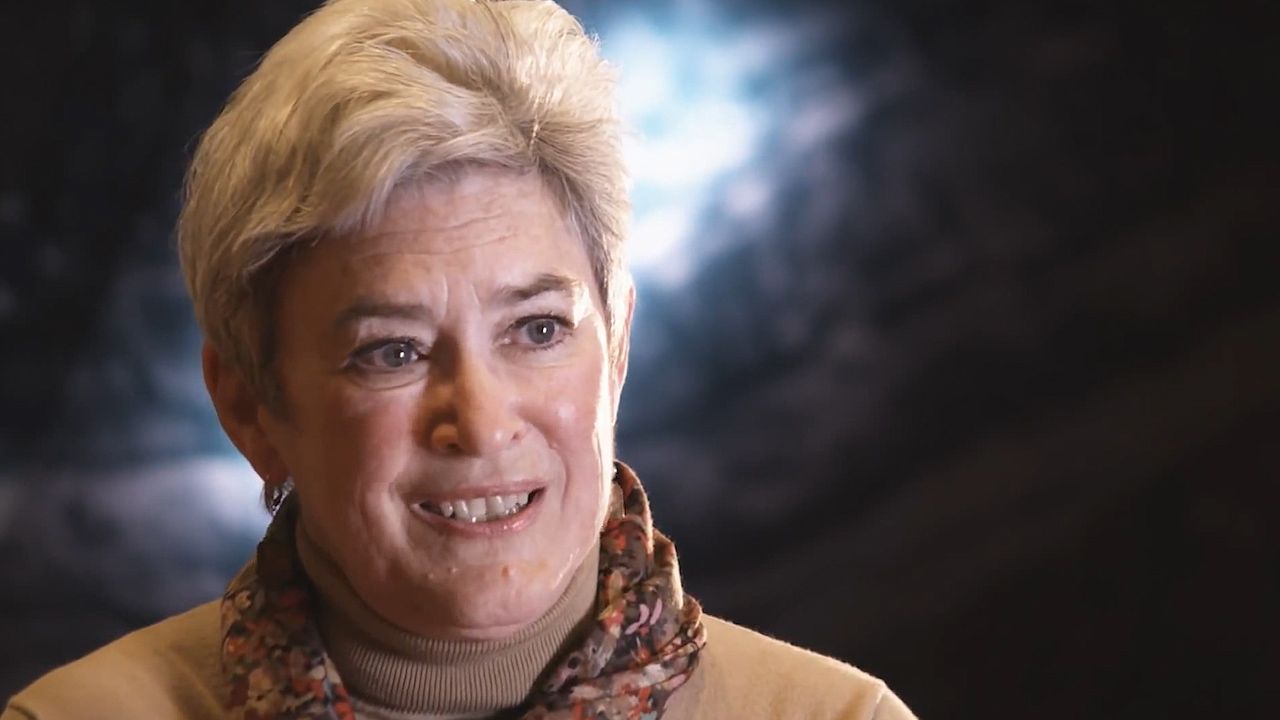
A discussion of the advances made in psychiatric research and treatment.
Many children with mental health disorders do not receive the specialized care they require due to a variety of systemic and personal barriers that impede access to services.1
Key factors contributing to this unmet need include:
- Structural Barriers: Long wait times for treatment and the physical distance to care facilities often prevent families from seeking help.1
- Social and Economic Factors: Families experiencing social adversity, such as poverty, lack of social support, or family stress, face significant difficulties in accessing resources. Children in single-parent households or those who are highly mobile are also less likely to receive services.1
- Stigma and Awareness: The stigmatization of mental illness remains a major deterrent. Additionally, parents may lack knowledge regarding available resources or may be hindered by their own psychosocial functioning, such as depression.1
- Inequity: There is a notable disparity in access, with minority children often facing greater challenges in obtaining necessary support.1
Addressing these gaps requires a combination of population-based health strategies and targeted, family-centered interventions to ensure all children have the opportunity for optimal development.1