
Why do many blue animal colors depend on a dark melanin layer beneath scattering particles?
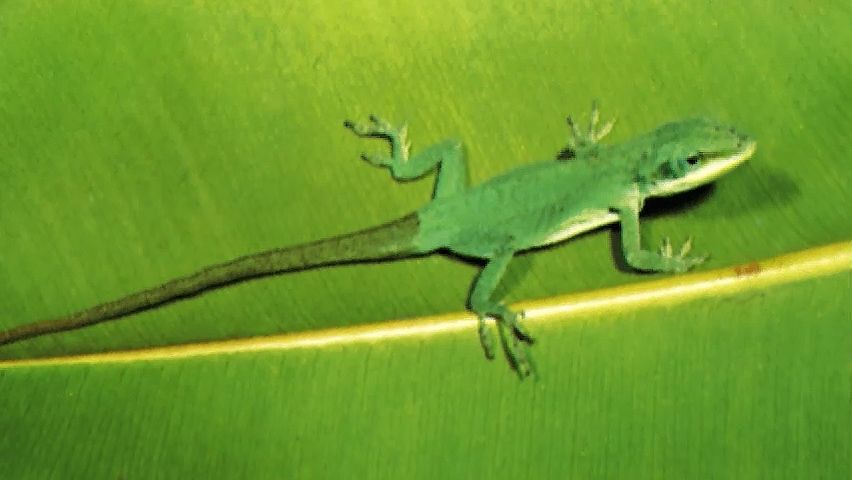
In biological systems, many blue colors are structural rather than pigmentary, produced by a phenomenon known as the Tyndall effect. This process relies on finely dispersed particles—such as protein globules, lipid droplets, or air vesicles—that are approximately the same size as the shorter wavelengths of light (about 0.4 microns).1
When incident light strikes these particles, the shorter blue wavelengths are scattered and reflected back to the observer, while longer wavelengths like red, orange, and yellow pass through the medium. A dark underlying layer of melanin is essential because it absorbs these longer, non-scattered wavelengths. Without this dark, light-absorbing background, the scattered blue light would be overwhelmed by the transmission of other colors, preventing the appearance of a distinct, intense blue hue. This mechanism is responsible for the blue coloration seen in many bird feathers, as well as the blue appearance of eyes in many infants.12