
Britannica
Sources used in this answer
Why do fishes and cephalopods rapidly change color during social interactions?
Created from Britannica articles
using AI.
AI can make mistakes, so verify using Britannica articles.
coloration
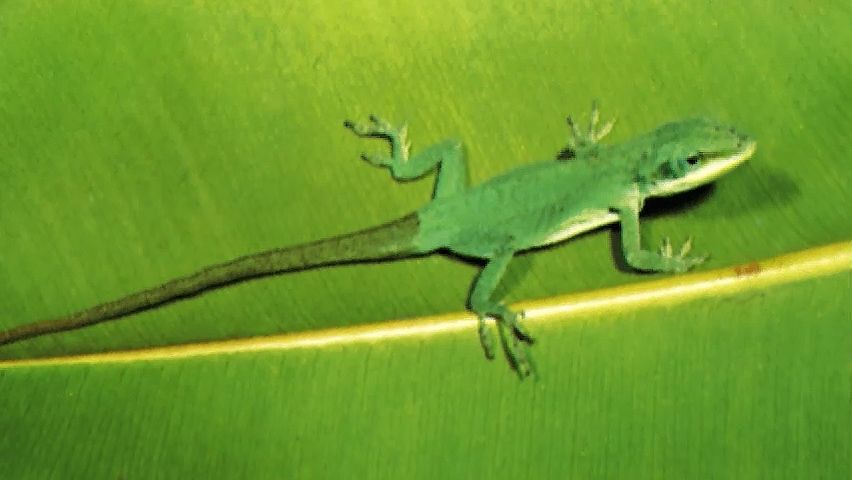
The anole changes color in response to its stress level.
Fishes and cephalopods rapidly change color during social interactions primarily as a form of communication to convey information, establish dominance, or attract mates.123
In these animals, rapid color changes are mediated by chromatophores—specialized cells that allow for the quick display or concealment of pigments. These changes serve several key social functions:4
- Reproductive Signaling: Many fishes exhibit dramatic color shifts during courtship to attract and arouse potential mates. A male’s level of sexual arousal can often be gauged by the intensity of these color changes.1
- Territorial Defense: Coloration is frequently used to intimidate intruders or signal dominance. For example, octopuses use flashing color displays as a visual battle to resolve territorial disputes with little or no physical contact.3
- Alarm and Defense: Beyond social signaling, these rapid shifts are also used to communicate alarm or to defend against threats.2
While both groups use these displays, the mechanisms differ: cephalopods control their chromatophores through direct neural stimulation, allowing for near-instantaneous changes, whereas fish often rely on a combination of the nervous system and hormonal responses, which can be slightly slower.54