
Why do closely related species sometimes feed in different parts of the same habitat?
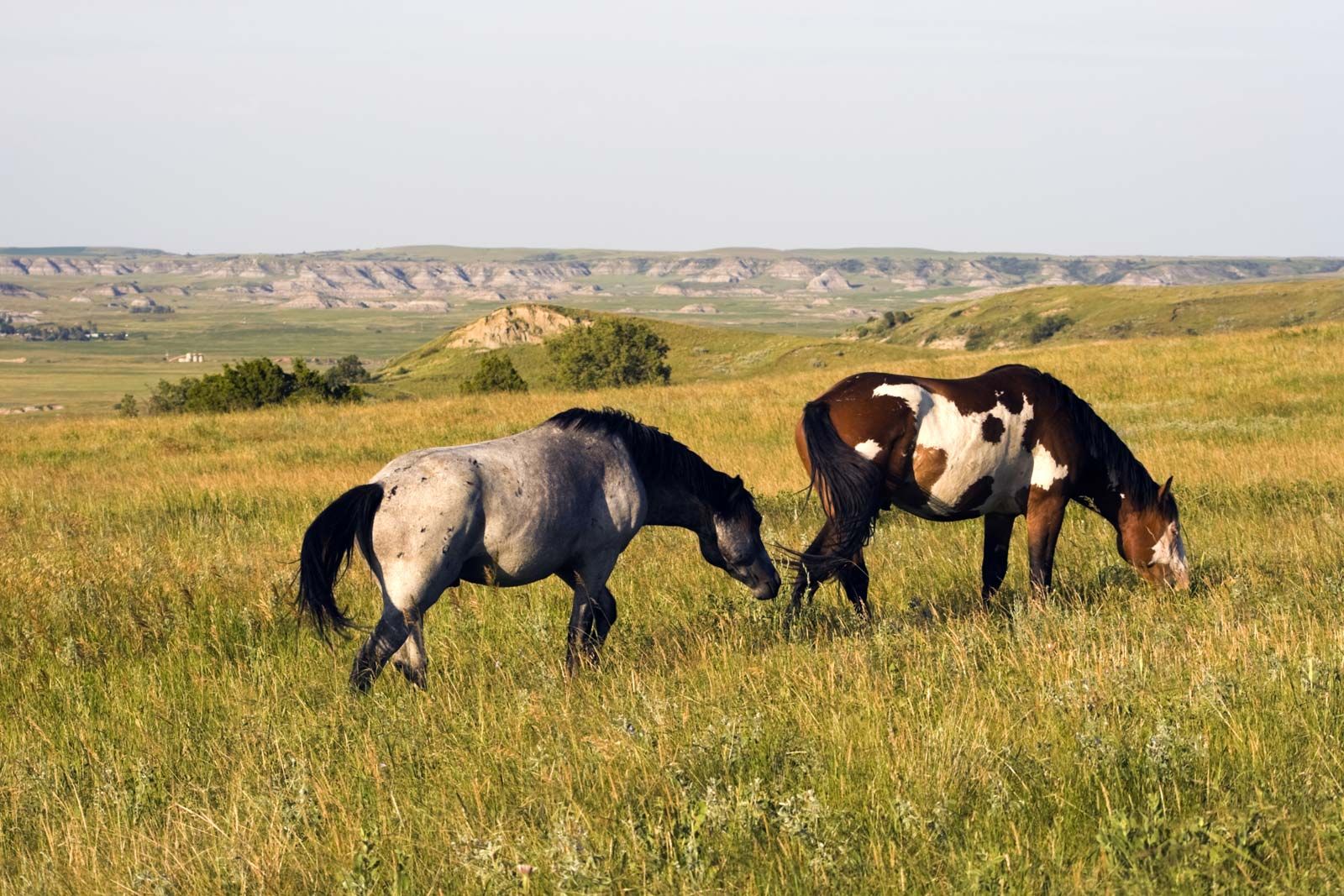
Closely related species often feed in different parts of the same habitat to avoid direct competition for limited resources. According to the principle of competitive exclusion, two species cannot coexist in the same ecological niche for long without one being driven out or becoming extinct.12
To survive in the same area, species often undergo niche partitioning, where they specialize in distinct microhabitats or feeding patterns. For example, closely related woodland titmice may forage in different parts of the same trees, and different species of the same moth genus may prefer different food plants. By separating themselves along axes such as place, food type, or activity period, these species reduce the likelihood of resource depletion and allow for coexistence. This specialization is a result of evolutionary pressure, as species adapt to exploit the specific food sources for which they can most successfully compete.345