
Why can severe burns lead to a dangerous drop in blood pressure?
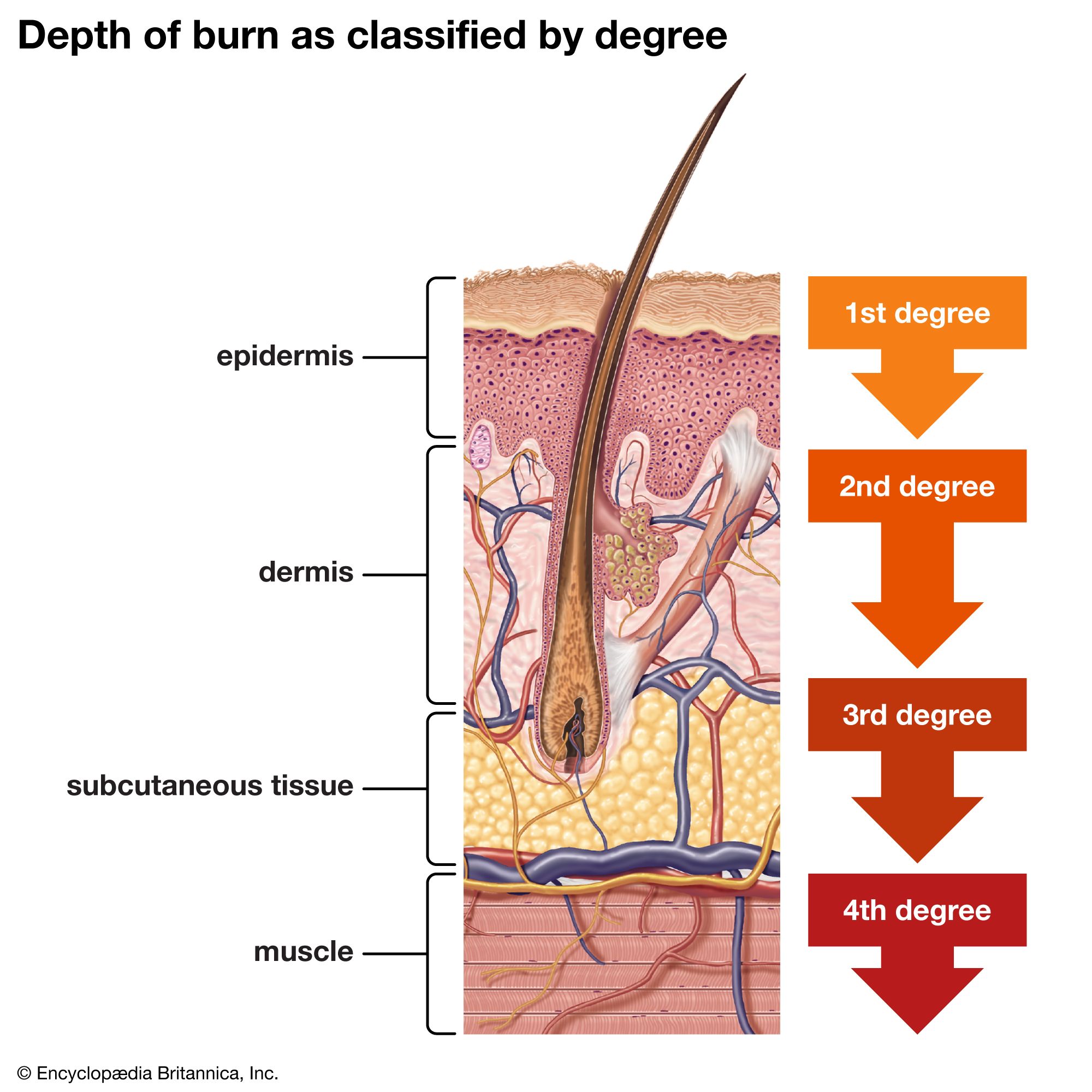
Severe burns can lead to a dangerous drop in blood pressure—a condition known as secondary shock—primarily due to a significant reduction in total blood volume.12
When the skin is severely damaged, it loses its protective ability to contain body fluids. This results in the leakage of plasma and electrolytes from the circulatory system into the damaged tissue and out through the wound. If the volume of fluid lost exceeds approximately one-fifth of the total blood volume, the amount of blood returning to the heart becomes insufficient to maintain adequate cardiac output.13
Furthermore, the loss of salts, such as sodium and potassium, disrupts the osmotic balance of the blood and body fluids. As the circulating volume contracts, the body’s compensatory mechanisms eventually fail, causing arterial blood pressure to fall sharply. This process underscores the critical importance of replacing lost fluids and electrolytes in burn patients to prevent circulatory collapse.132