
Britannica
Sources used in this answer
Why can incomplete combustion of carbon fuels produce carbon monoxide?
Created from Britannica articles
using AI.
AI can make mistakes, so verify using Britannica articles.
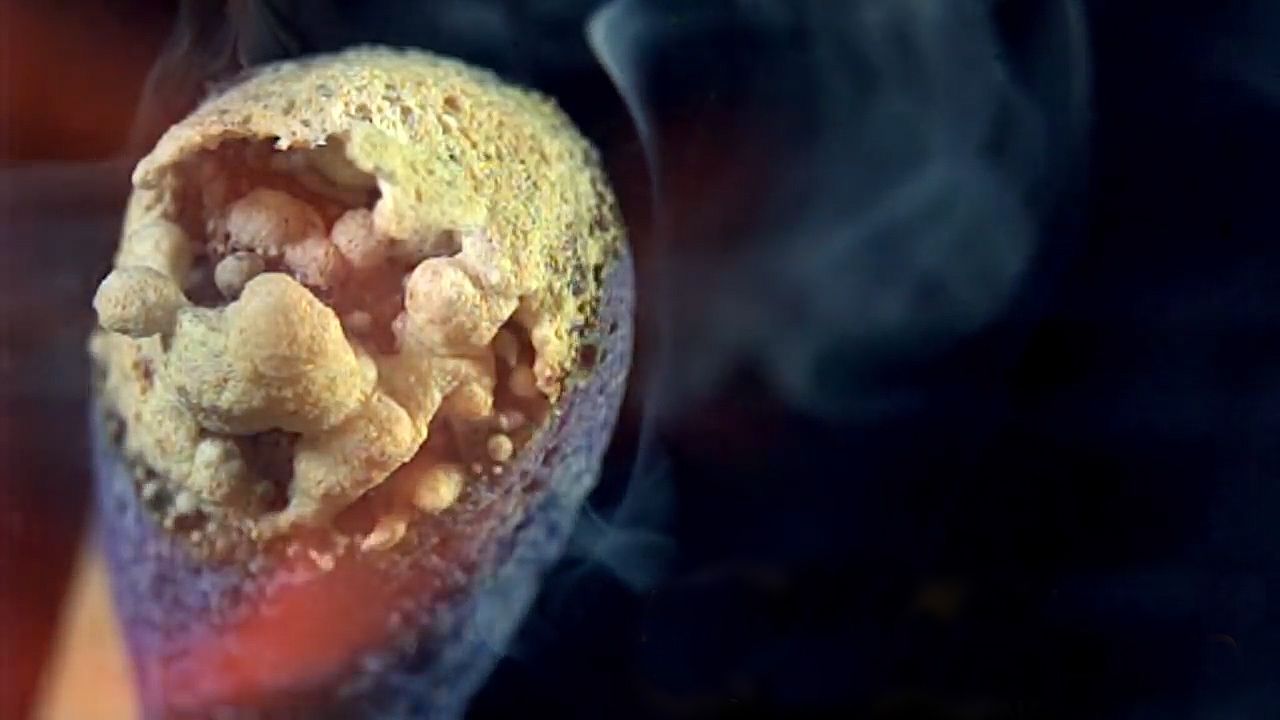
combustion
Learn about the chemistry of lighting a match.
Incomplete combustion of carbon-containing fuels produces carbon monoxide because the fuel is not fully converted into carbon dioxide.1
In a complete combustion reaction, carbon-based fuels combine with sufficient oxygen to reach a state of full oxidation. However, when the supply of oxygen is limited or the reaction conditions are otherwise restricted, the fuel undergoes incomplete conversion. This process results in the formation of carbon monoxide—a toxic, flammable gas—rather than the fully oxidized product, carbon dioxide. This phenomenon is commonly observed in internal-combustion engines and furnaces where the chemical transformation of carbon or carbon-containing fuels is incomplete.1