
Why can hydrocarbon combustion involve both oxidation and thermal decomposition?
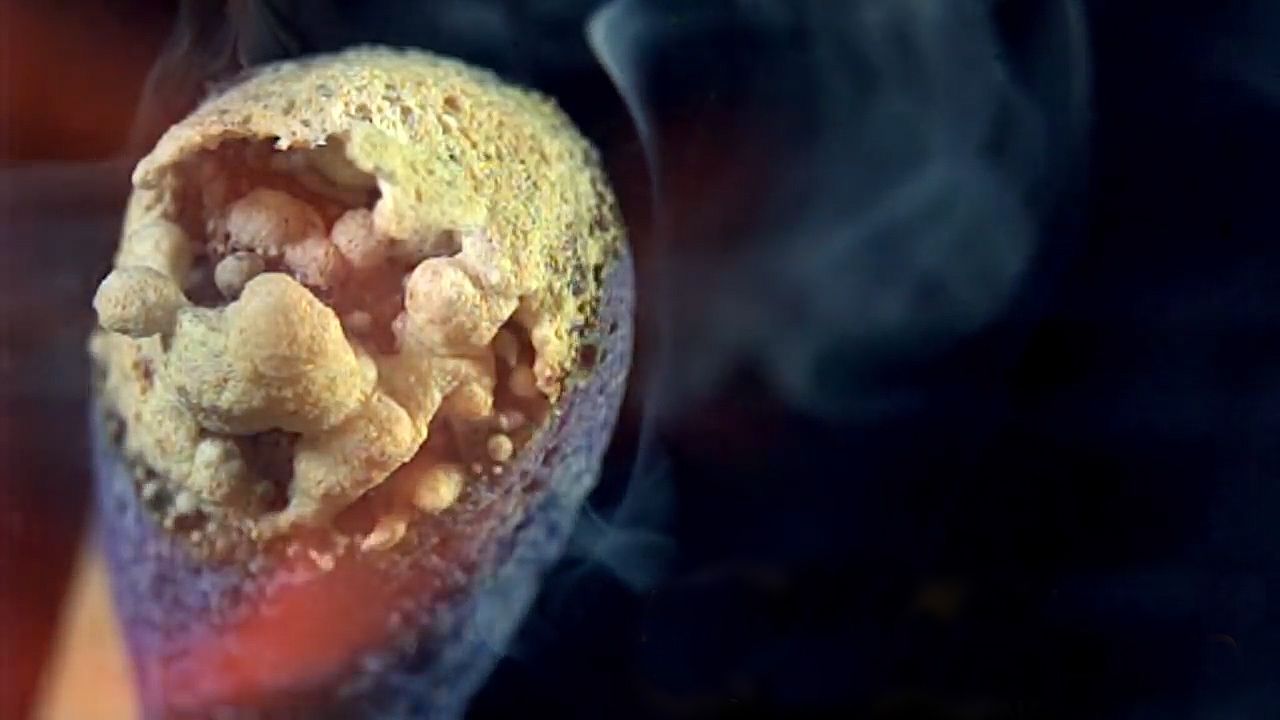
Hydrocarbon combustion is a complex process that involves both oxidation and thermal decomposition because of the intricate nature of organic molecules. While oxidation involves the reaction of hydrocarbons with oxygen to release energy, the high temperatures inherent in combustion also trigger the breakdown of these complex organic compounds into smaller fragments without the direct involvement of oxygen.1
This dual mechanism occurs because the overall process is complicated by the diversity of molecules and radicals present during the reaction. In higher hydrocarbons, this is particularly evident during two-stage ignition: a cool-flame stage occurs first, producing intermediate products that are then more readily oxidized during the subsequent hot flame stage. Consequently, the combustion of fuels like coal or petroleum is not a single simple reaction but a series of steps where thermal decomposition and oxidation work in tandem to facilitate the complete burning of the fuel.1