
Why can graphite layers slide past each other more easily than diamond atoms?
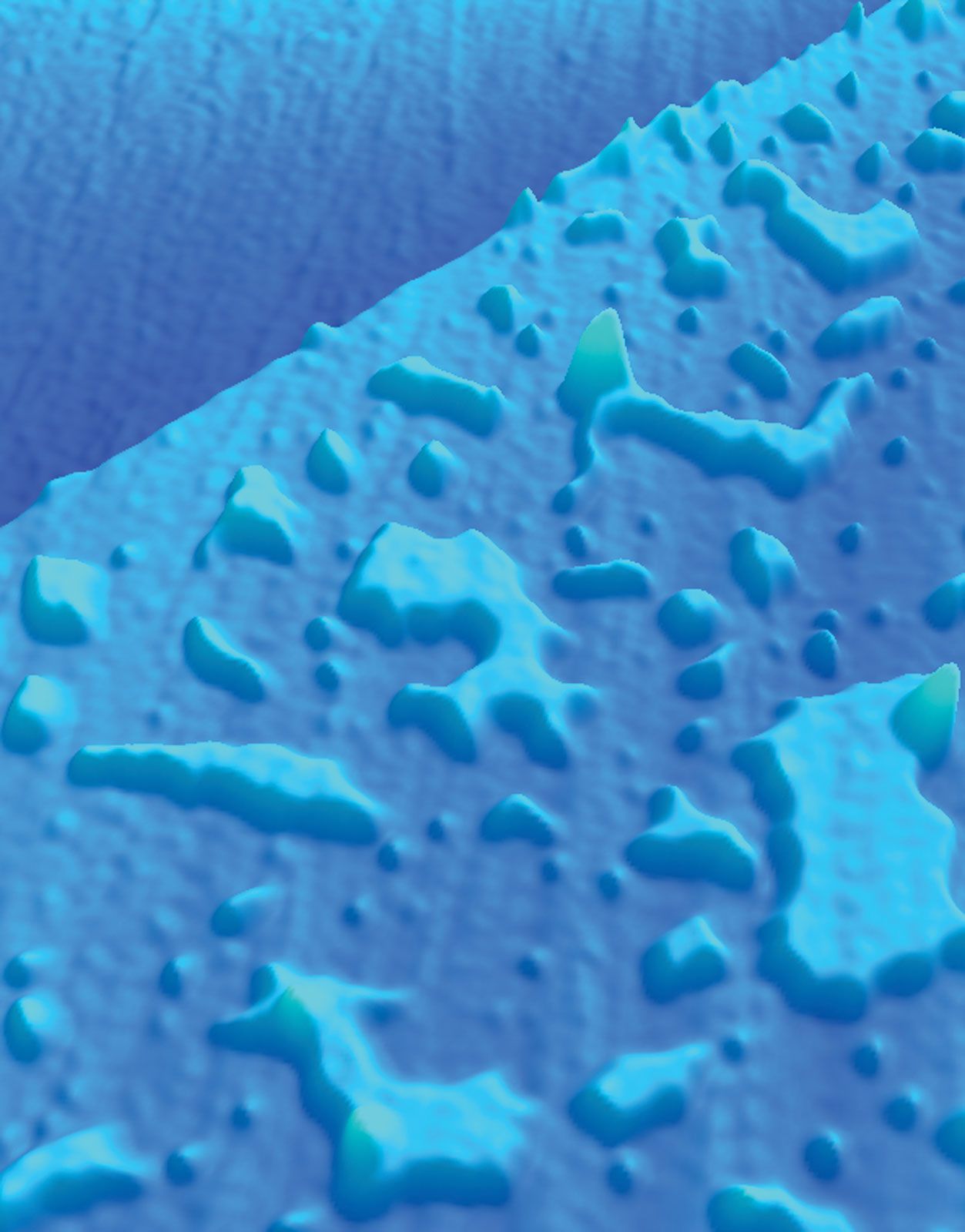
Graphite layers slide past each other easily because of their distinct crystal structure, which differs significantly from the rigid, three-dimensional network of diamond.
In graphite, carbon atoms are arranged in parallel, two-dimensional sheets of fused hexagonal rings. While the atoms within each layer are held together by strong covalent bonds, the layers themselves are held together only by weak van der Waals forces. Because the interlayer distance is large and these forces are relatively weak, the layers can easily slide over one another, which accounts for graphite's softness and lubricating properties.12
In contrast, diamond consists of an infinite, three-dimensional tetrahedral lattice where every carbon atom is covalently bonded to four others. This structure creates a rigid, highly compact network that lacks the weak interlayer planes found in graphite. Consequently, destroying or deforming a diamond crystal requires the rupture of many strong covalent bonds, making it exceptionally hard rather than slippery.1