
Why can graphene be used to study effects from relativistic quantum mechanics?
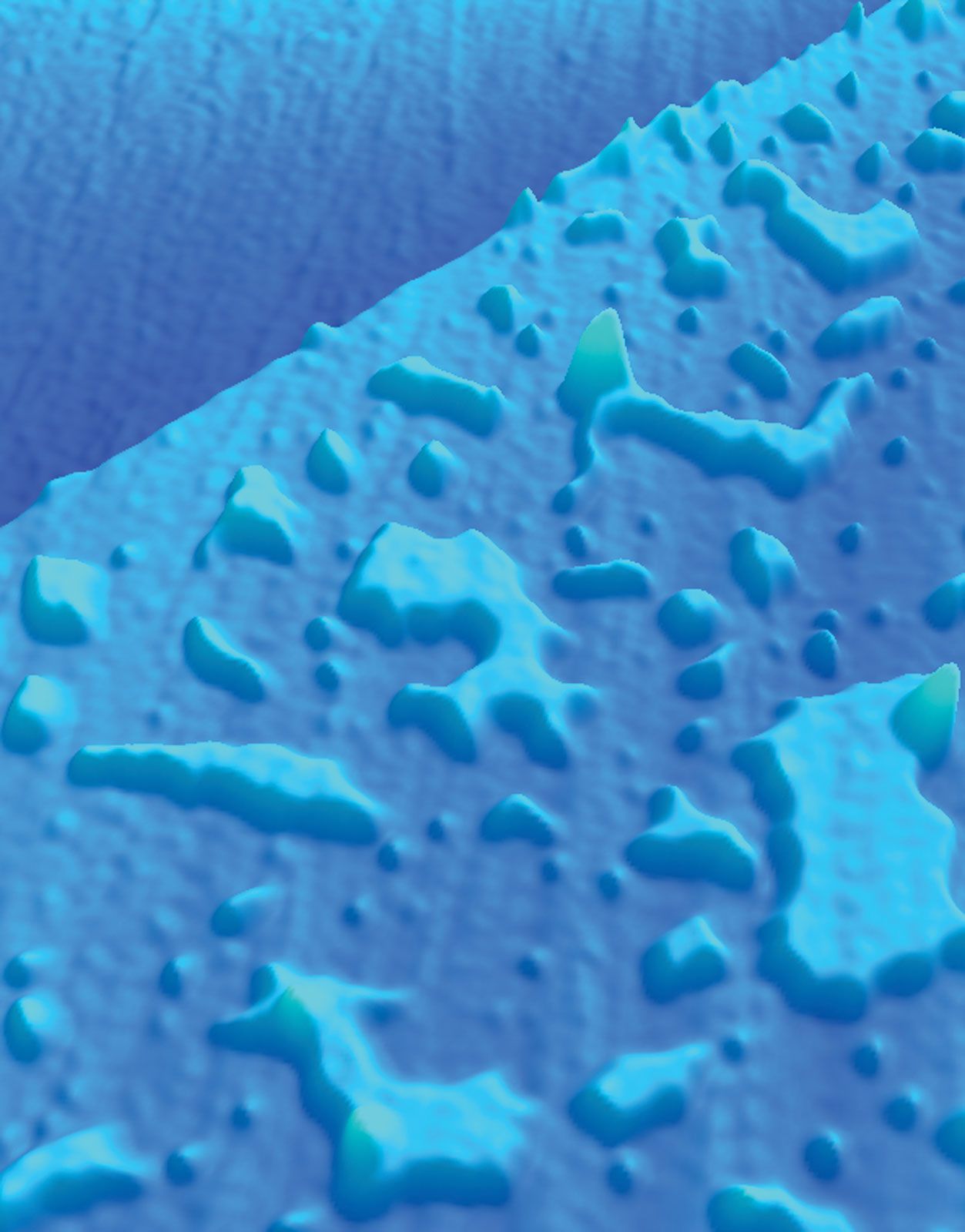
Graphene serves as a unique test bed for studying relativistic quantum mechanics because its charge carriers—electrons and holes—behave like ultra-relativistic quantum particles.
This analogy arises from the material's honeycomb lattice, which gives these carriers an internal degree of freedom known as pseudospin. This pseudospin mimics the spin of subatomic particles, allowing electrons and holes in graphene to function similarly to particles and antiparticles in quantum electrodynamics.
While these carriers move at approximately 1/300 the speed of light, their lower velocity makes them significantly easier to measure and manipulate than particles in high-energy particle accelerators. Consequently, researchers can observe clear analogs of complex relativistic effects, such as the Klein paradox, within the controlled environment of a graphene sheet.1