
Why can coloration be unreliable for determining relationships among distantly related species?
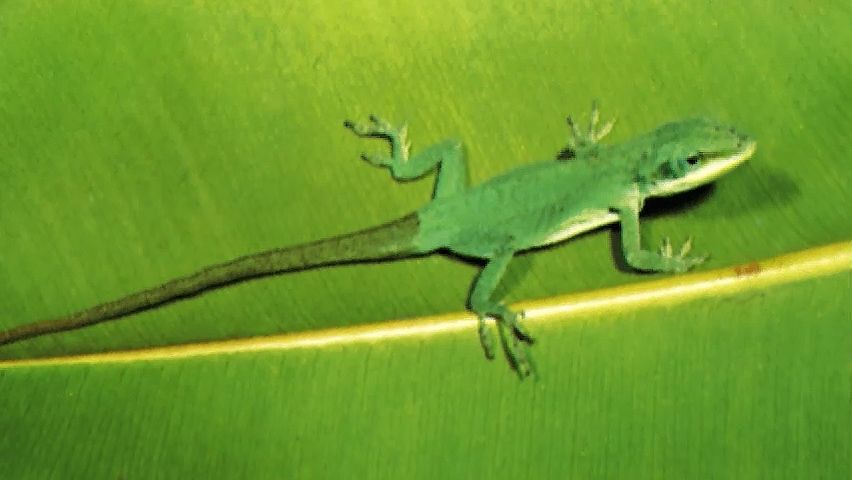
Coloration is often an unreliable indicator of evolutionary relationships among distantly related species because it is highly susceptible to alteration based on functional context rather than shared ancestry.1
Because coloration is a dynamic characteristic, it frequently evolves in response to environmental pressures, such as the need for camouflage or mimicry. Through processes like Müllerian mimicry or Batesian mimicry, distantly related species may converge on similar appearances to gain survival advantages, such as deterring predators. These similarities are analogies—traits that arise independently due to similar habits or living conditions—rather than homologies, which are similarities inherited from a common ancestor.234
Furthermore, related species living in different habitats often exhibit strikingly different colorations due to varying selection pressures. Consequently, because coloration is easily influenced by external factors and adaptive needs, it lacks the stability required to serve as a reliable characteristic for determining systematic relationships between species that are not closely related.1