
Britannica
Sources used in this answer
Why are carotenoids important pigments in both plants and animals?
Created from Britannica articles
using AI.
AI can make mistakes, so verify using Britannica articles.
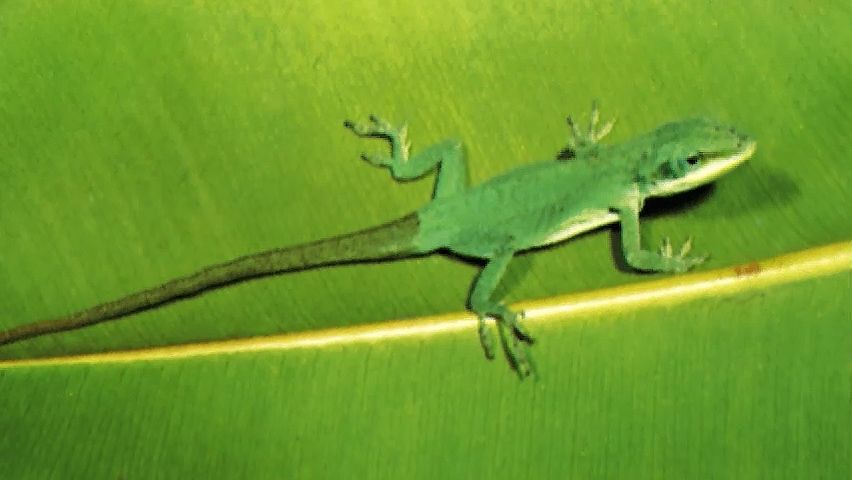
coloration
The anole changes color in response to its stress level.
Carotenoids are essential pigments that serve critical biological functions in both plants and animals.
In plants, carotenoids act as accessory pigments in photosynthesis, where they trap solar energy and transfer it to chlorophyll. Furthermore, they function as vital photoprotectants, dissipating excess electronic energy as heat to prevent damage from light exposure.12
In animals, carotenoids are obtained through ingestion and are crucial for several physiological processes:
- Metabolism and Growth: Animals rely on carotenoids, such as carotene, as precursors for vitamin A, which is necessary for normal growth and metabolism.13
- Photoprotection: Similar to their role in plants, carotenoids provide essential protection in animal tissues, including the eyes, by quenching harmful singlet molecular oxygen and other reactive states.2
- Coloration: These pigments are responsible for significant biological coloration, contributing to the vibrant hues seen in various species, such as the pink-red colors of salmon and the blue feet of the blue-footed booby.13