
Britannica
Sources used in this answer
Which factors affect the rate at which water evaporates?
Created from Britannica articles
using AI.
AI can make mistakes, so verify using Britannica articles.
water
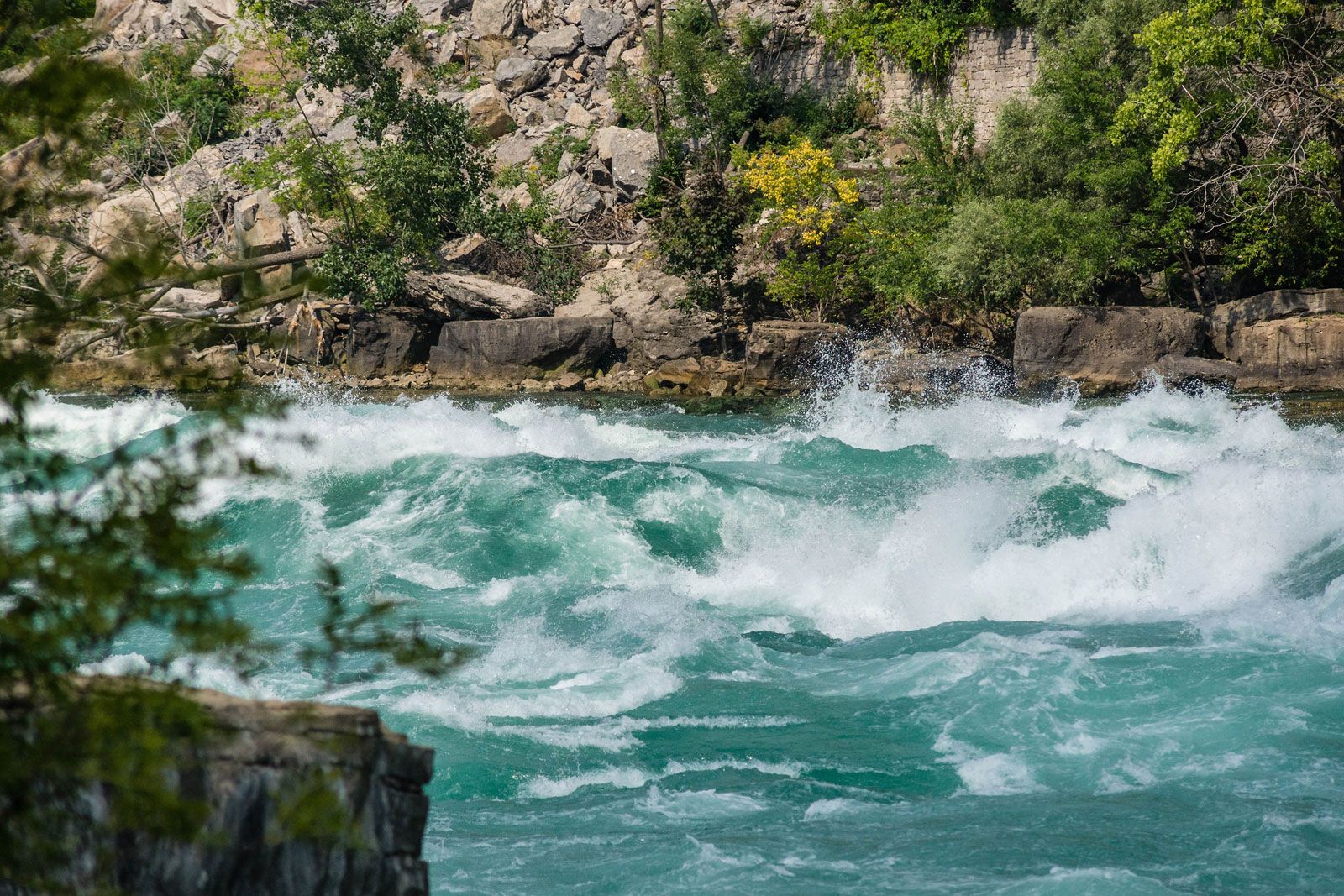
Water is the most plentiful compound on Earth and is essential to life. Although water molecules are simple in structure (H2O), the physical and chemical properties of water are extraordinarily complicated.
The rate at which water evaporates is determined by several interconnected physical factors. Evaporation occurs when molecules at the surface gain enough kinetic energy to transition from a liquid to a gaseous state.1
Key factors influencing this process include:
- Temperature: Higher temperatures increase the vapour pressure at the evaporating surface. Because evaporation is a cooling process, the availability of energy—often provided by solar radiation—is critical to maintain the rate of transition.12
- Relative Humidity: Evaporation is proportional to the saturation deficit, which is the difference between the moisture in the air and the amount the air could hold if saturated. Drier air facilitates faster evaporation.12
- Wind Speed: Ventilation increases the conductivity of the medium between the water surface and the free air, effectively removing water vapour and preventing saturation near the surface.12
- Surface Conductivity: The physical nature of the evaporating surface, such as the porosity of plant leaves versus open water, modifies how easily water vapour diffuses into the atmosphere.2