
Britannica
Sources used in this answer
Which external energy sources can ignite a combustion reaction?
Created from Britannica articles
using AI.
AI can make mistakes, so verify using Britannica articles.
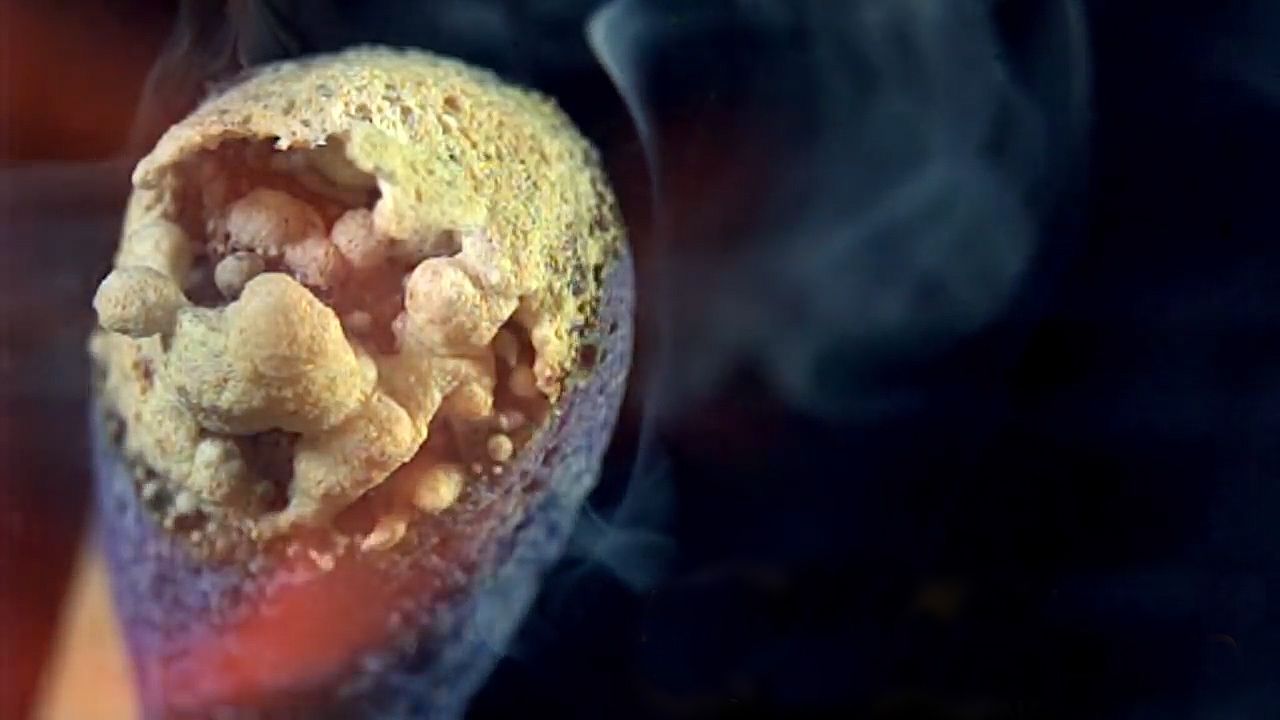
combustion
Learn about the chemistry of lighting a match.
Combustion is a complex chemical process that, with rare exceptions, requires initiation by external factors to reach the necessary ignition temperature. These external energy sources include:1
- Heat: Thermal energy is a primary initiator. For example, friction can generate sufficient heat to raise the temperature of reactants to the point of ignition, as seen when striking a match.2
- Light: Intense light can serve as an ignition source, provided its intensity exceeds a specific minimal value required to trigger the reaction.1
- Sparks: Electrical sparks provide the necessary energy to initiate combustion, provided the spark energy surpasses a certain threshold.1
Once initiated, the combustion reaction generates its own heat, which raises the temperature of adjacent layers of the fuel-oxidizer mixture, allowing the reaction to propagate. The requirement for these external sources is linked to the activation energy, which is the minimum energy needed to bring atoms or molecules into a state where they can undergo chemical transformation.213