
Britannica
Sources used in this answer
What is a cool flame in hydrocarbon combustion?
Created from Britannica articles
using AI.
AI can make mistakes, so verify using Britannica articles.
combustion
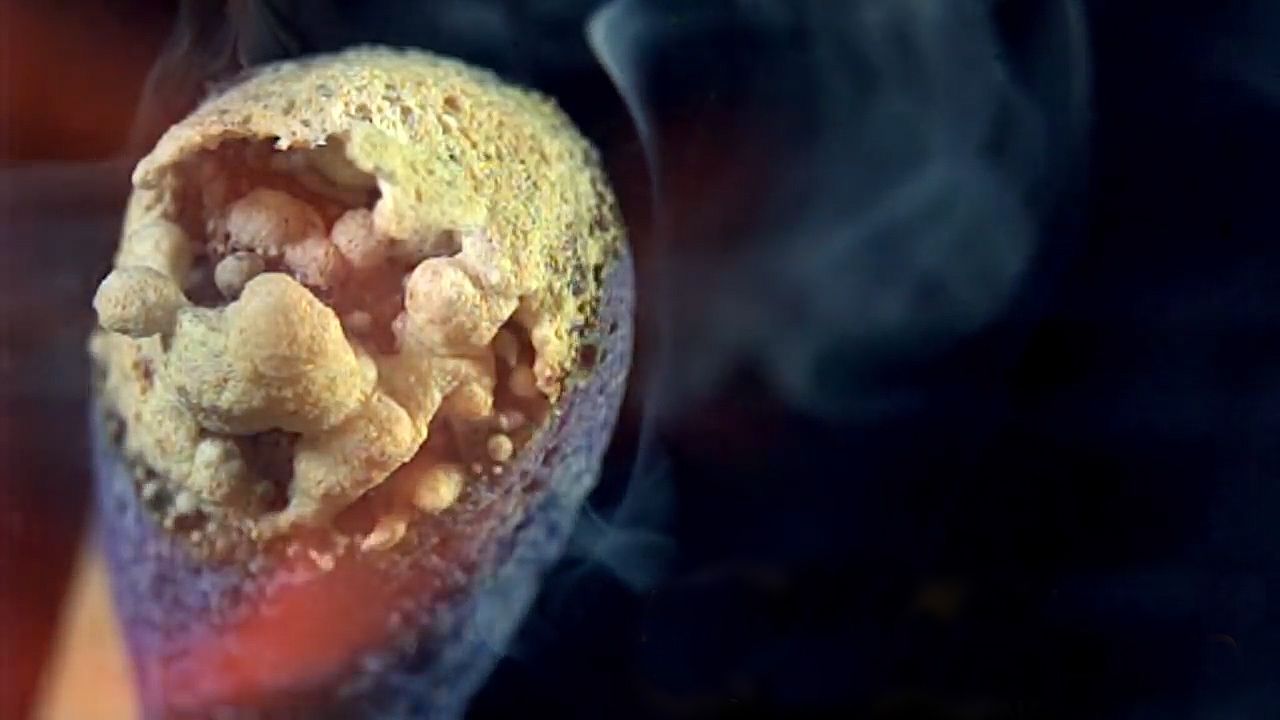
Learn about the chemistry of lighting a match.
In the context of hydrocarbon combustion, a cool flame is a phenomenon associated with slow combustion occurring at temperatures below 500 °C.1
These flames are observed under specific pressure conditions and represent a distinct stage in the combustion process of higher hydrocarbons. During this stage, the chemical reaction yields products that are readily oxidizable, which then precedes the subsequent stage of a hot flame. This two-stage ignition process is a characteristic feature of higher hydrocarbon combustion, contrasting with the higher-temperature combustion that produces hot flames.1