
What does the principle of mediocrity suggest about life elsewhere in the universe?
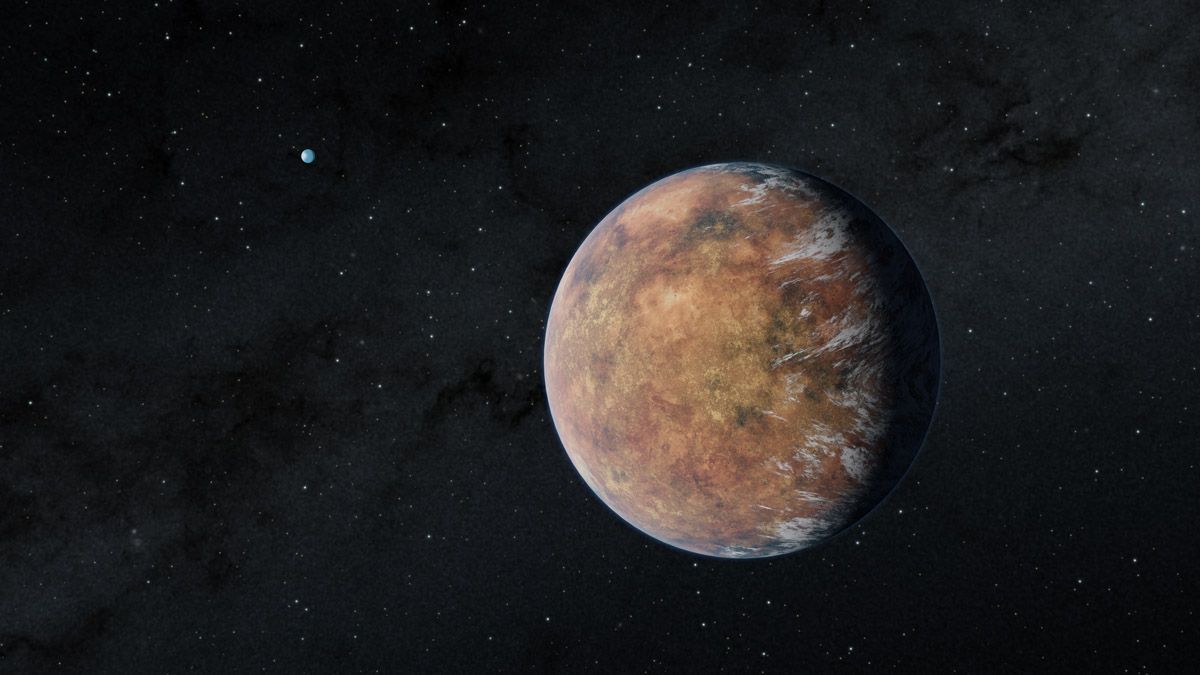
The principle of mediocrity suggests that Earth and our solar system are not unique or unusual in any significant way. Rooted in the work of Nicolaus Copernicus, this perspective implies that the physical and chemical processes that led to the emergence of life and intelligent beings on Earth are likely occurring throughout the cosmos.1
This argument relies on three key assumptions:
* Planets capable of supporting life are common.
* Life will naturally emerge on such worlds.
* Natural selection will eventually produce intelligent species on some of these planets.1
While astronomers have confirmed that Earth-sized planets in the habitable zone are common—thanks to missions like the Kepler satellite—the latter two assumptions remain unproven. Current scientific efforts, including the use of telescopes to detect atmospheric biosignatures and space probes exploring our own solar system, continue to seek the evidence necessary to validate these claims.1