
What are hypertrophic scars and keloids after burn injuries?
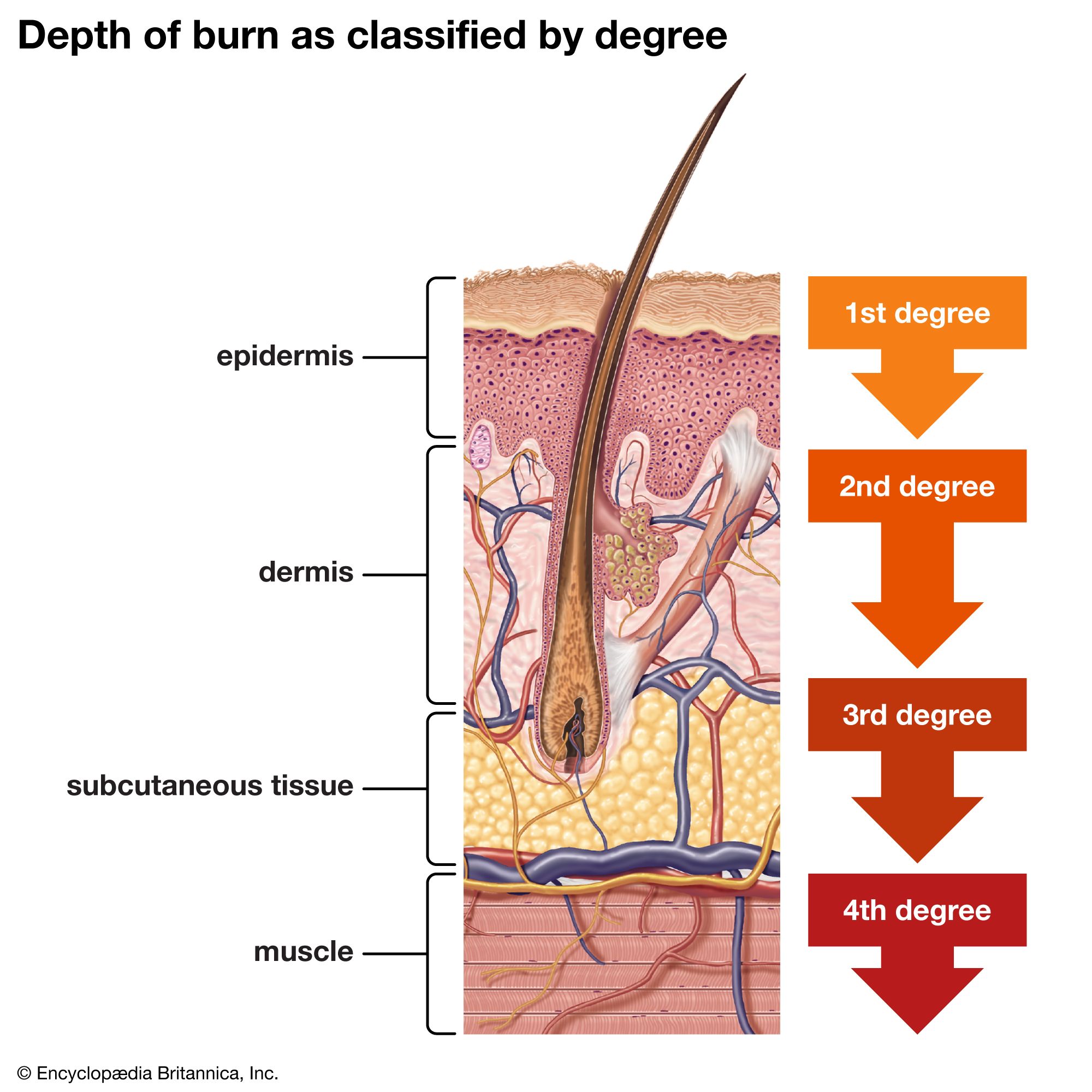
After a burn injury, the skin's healing process can sometimes result in excessive scar tissue formation. Two primary types of overscarring are keloids and hypertrophic scars.1
Hypertrophic Scars
Hypertrophic scars occur when the body produces an excess of fibrous collagen during healing. While these scars become overly thick, they remain confined within the original boundaries of the burn wound.1
Keloids
Keloids are benign, tumorlike growths that result from an uninhibited and excessive wound-healing response. Unlike hypertrophic scars, keloids extend beyond the limits of the original wound. They often appear as smooth, rubbery nodules and can cause pain, itching, or a burning sensation.12
Both types of scarring are particularly problematic when they result from serious burns and cover large areas, as they may restrict movement, especially near joints. Because these scars lack the oil glands and elastic tissue of normal skin, they are often prone to irritation. Furthermore, all scars, particularly those from untreated third-degree burns, carry a risk of malignant change.1