

Monopoly
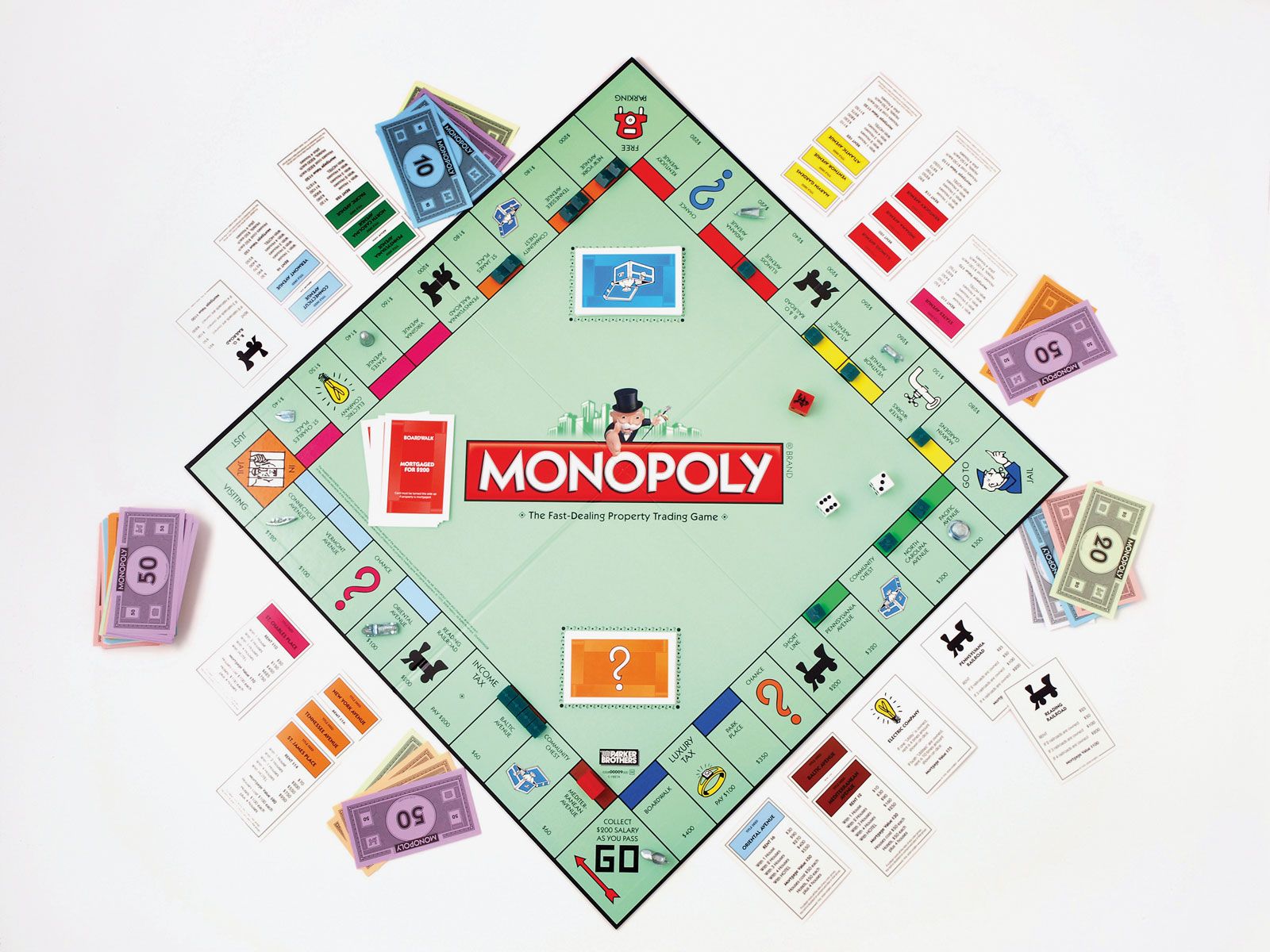
The board game Monopoly is often cited as an example of a Markov chain, because a piece's position after the dice is rolled depends only on the square it started from, not where the piece was before that.
Markov chain
mathematics
Markov chain, sequence of possibly dependent discrete random variables (x1, x2, x3,…)—identified by increasing values of a parameter, commonly time—with the property that any prediction of the next value of the sequence (xn) is based on the last state (xn − 1) alone. That is, the future value of such a variable is independent of its past. The term Markov process is used for sequences in which the random variables can assume continuous values. In mathematics, probability...

Discover the world with Britannica
Subscribe to Continue Reading
Free Trial
|
No Ads
|
Exclusive Content
Explore Subscriptions


