
How does water contribute to the weathering and erosion of rocks?
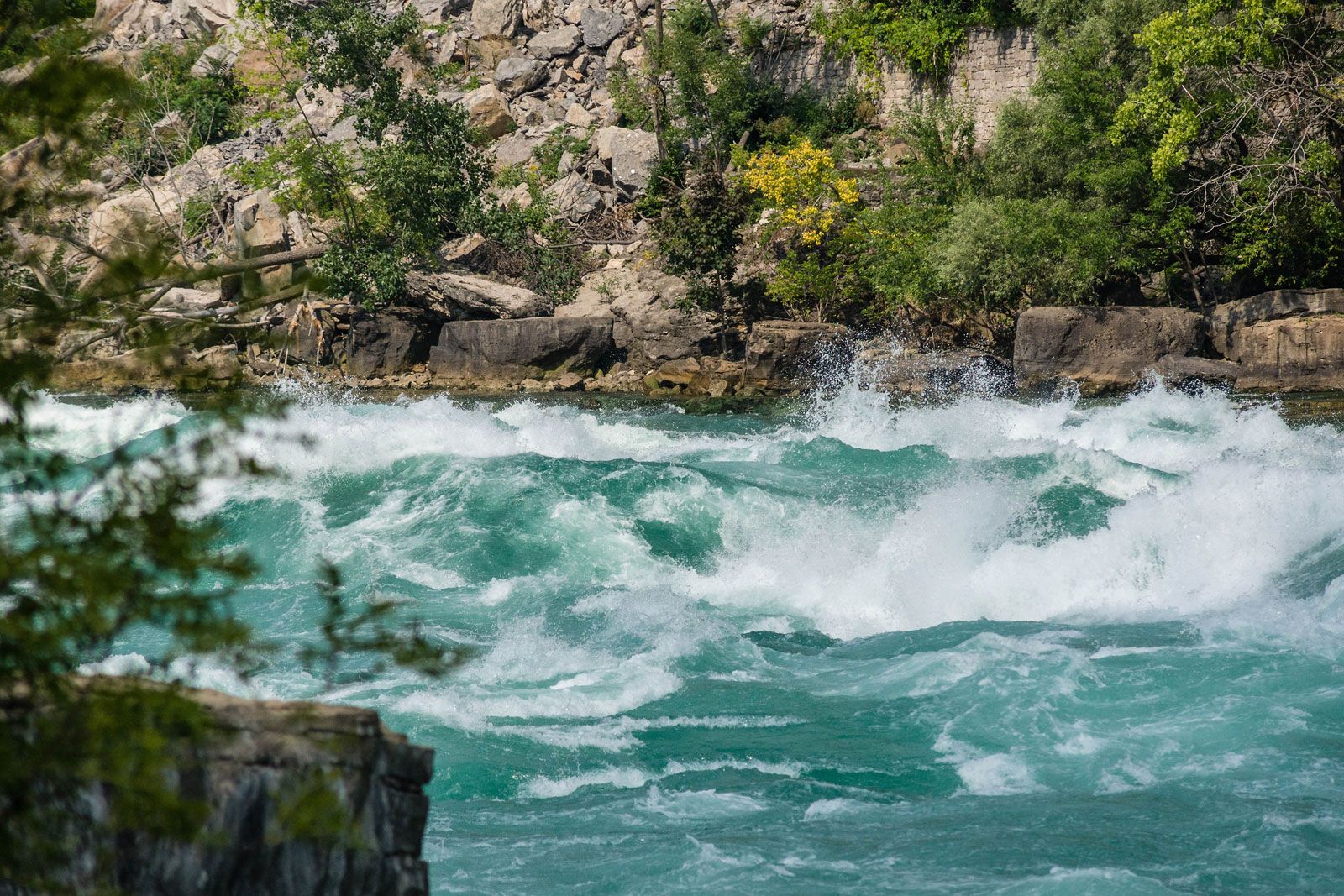
Water contributes to the weathering and erosion of rocks through both mechanical and chemical processes.
Physical Weathering
Water acts as a mechanical agent primarily through the freeze-thaw cycle. When water penetrates cracks and fissures in rock and subsequently freezes, it expands, exerting force that can disintegrate the rock. This process is a form of wedgework, where the expansion of ice acts like a wedge to break rock apart.12
Chemical Weathering
Water facilitates the chemical alteration of rock minerals through processes such as solution, carbonation, hydration, and oxidation. For example, water charged with carbon dioxide can dissolve calcite in limestone (a congruent reaction) or chemically transform silicate minerals into new substances like kaolinite (an incongruent reaction).13
Erosion
Once rock is weathered, water serves as the primary agent of erosion by transporting the resulting debris. Moving water, such as in rivers or ocean waves, uses the energy of its flow and the abrasive power of suspended sediments to scour, grind, and remove rock material from its original site, ultimately molding Earth's landforms.4