
Britannica
Sources used in this answer
How does two-stage ignition occur in higher hydrocarbons?
Created from Britannica articles
using AI.
AI can make mistakes, so verify using Britannica articles.
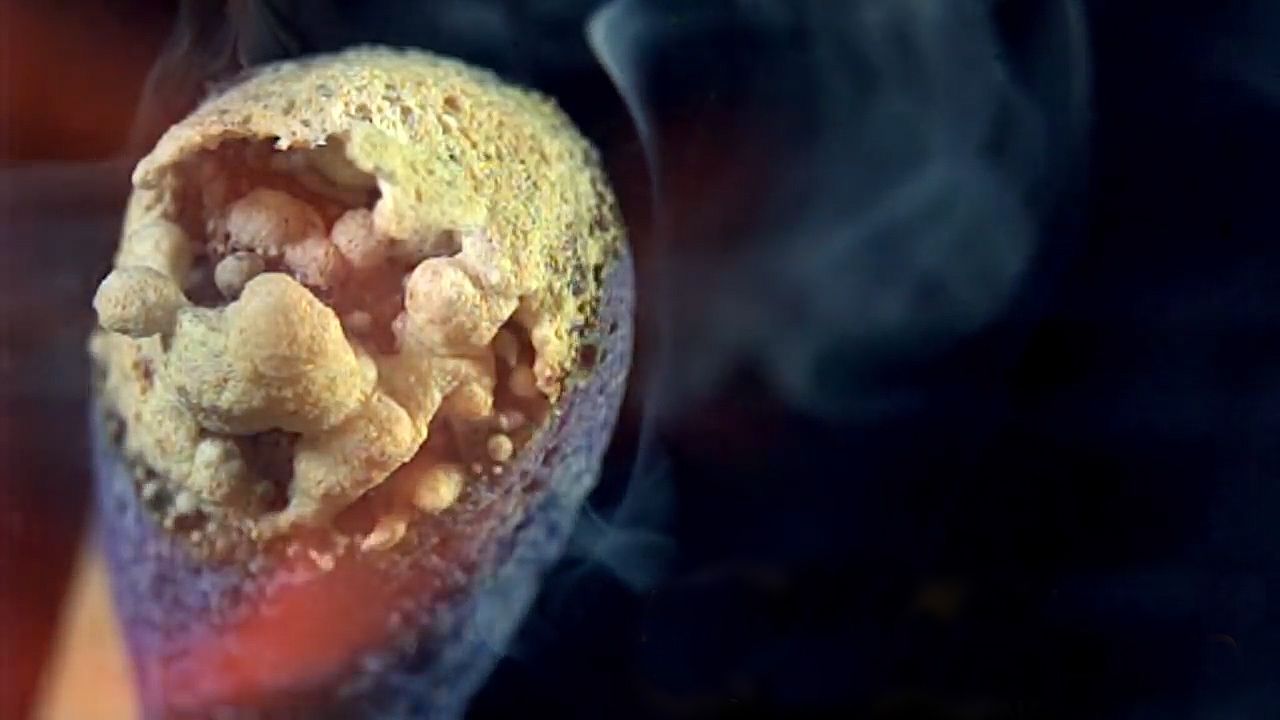
combustion
Learn about the chemistry of lighting a match.
Two-stage ignition is a phenomenon characteristic of higher hydrocarbons during the process of combustion.
This process occurs in two distinct phases:
- Cool-flame stage: At lower temperatures, the hydrocarbon undergoes a preliminary reaction that produces intermediate, readily oxidizable products. This stage is often associated with the observation of cool flames at specific pressures.1
- Hot-flame stage: Following the initial cool-flame stage, the intermediate products undergo further reaction, leading to the development of a hot flame.1
While the general mechanisms of hydrocarbon combustion are complex due to the diversity of molecules and radicals involved, this two-stage ignition sequence is a defining feature of higher hydrocarbons, distinguishing them from simpler combustion processes.1