
How does the transit method detect planets around other stars?
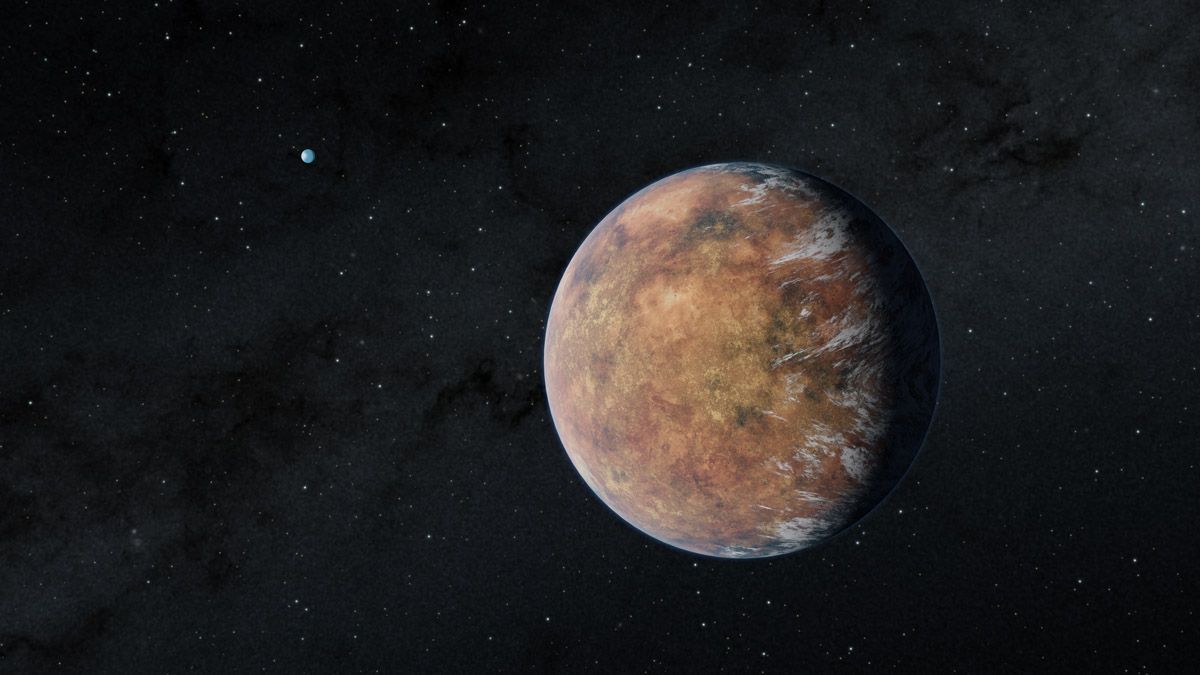
The transit method detects extrasolar planets by monitoring the brightness of a star over time. When a planet’s orbit is oriented such that it periodically passes directly between its host star and a telescope, the planet occults a small portion of the star's disk. This passage causes a slight, measurable drop in the star's observed brightness.12
By analyzing these periodic dips in starlight—often represented as a light curve—astronomers can determine the planet's size and its orbital period. When combined with radial velocity data, this method allows scientists to calculate the planet's mass and density, providing insights into its potential composition. Furthermore, by studying variations in the transit depth across different wavelengths, researchers can perform spectroscopic analysis to identify gases in the planet's upper atmosphere, such as hydrogen, methane, or water, which are critical for astrobiology research.123