
Britannica
Sources used in this answer
How does the tapetum lucidum help nocturnal animals see in dim light?
Created from Britannica articles
using AI.
AI can make mistakes, so verify using Britannica articles.
coloration
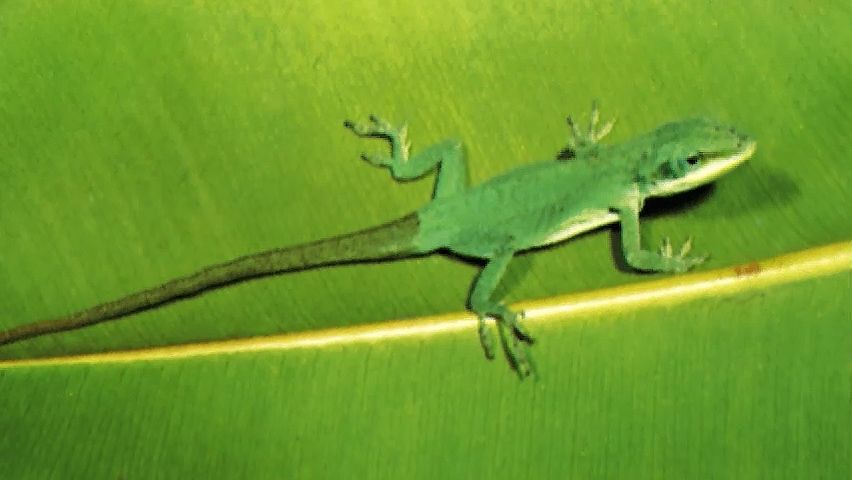
The anole changes color in response to its stress level.
The tapetum lucidum is a specialized, mirrorlike surface found in the eyes of many nocturnal vertebrates, often composed of the white compound guanine.
This structure enhances vision in dim light by reflecting light that has passed through the retina back outward. This reflection provides the eye's visual pigments a second opportunity to absorb the light, effectively increasing the sensitivity of the eye at very low light intensities. This process is also responsible for the characteristic "eyeshine" observed in many nocturnal animals.1