
How does the skin normally prevent loss of body fluids?
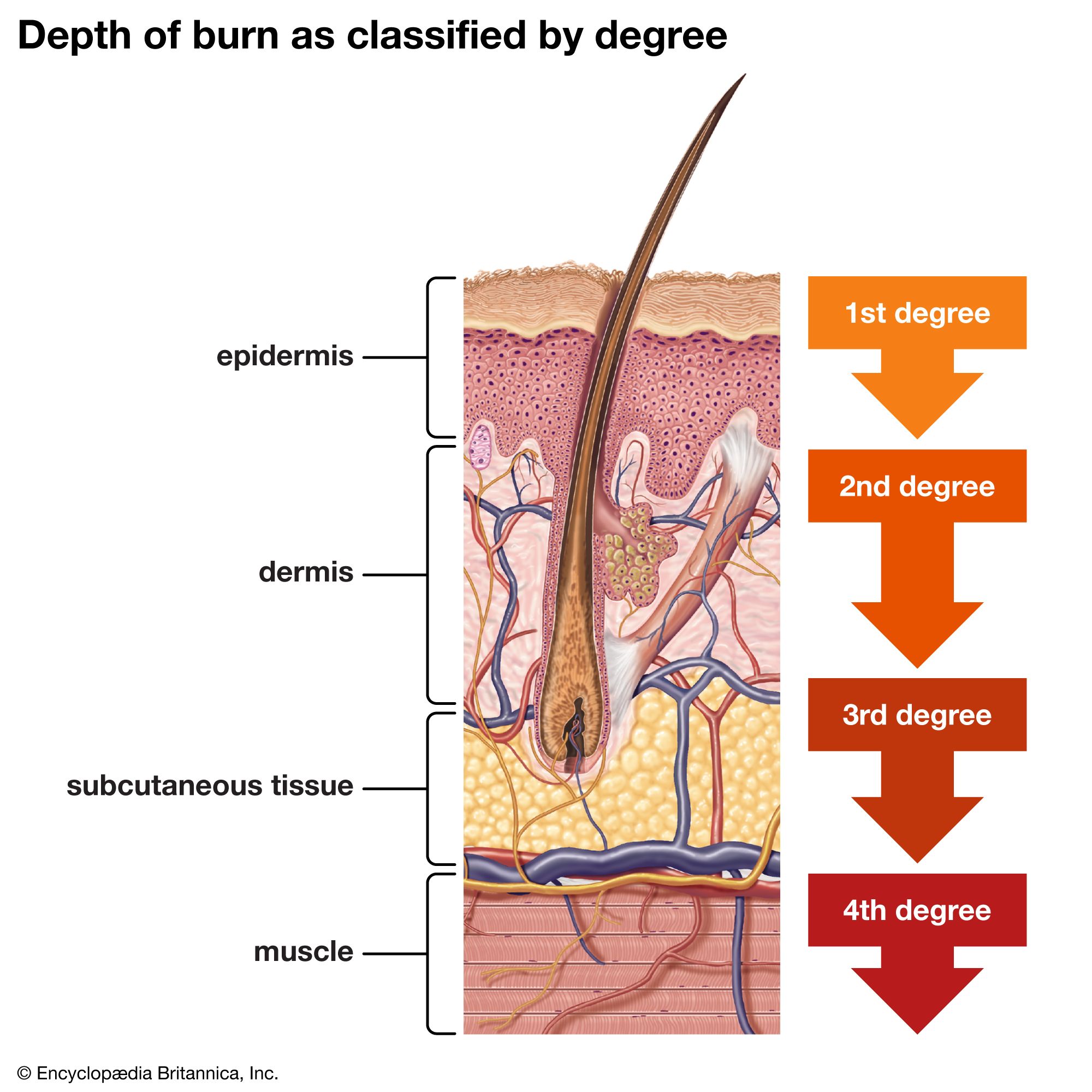
The skin prevents the loss of body fluids primarily through a specialized barrier located in the lower portion of the stratum corneum. In this region, the spaces between the compacted, keratin-filled cells are tightly packed with lipid (waxy) platelets. These lipids are produced within membrane-coating granules in the underlying epidermal cells and act as a seal to prevent water evaporation.12
Additionally, the dermis plays a supportive role in fluid management. It contains a ground substance of mucopolysaccharide materials (glycosaminoglycans) that can hold significant quantities of water, helping to maintain the skin's turgidity.23
When the skin is damaged by severe burns, this protective barrier is compromised. The resulting leakage of fluids and salts from the body is a grave complication, as it can lead to a dangerous drop in blood volume and disrupt the body's osmotic balance.4