
How does the law of conservation of mass apply to combustion reactions?
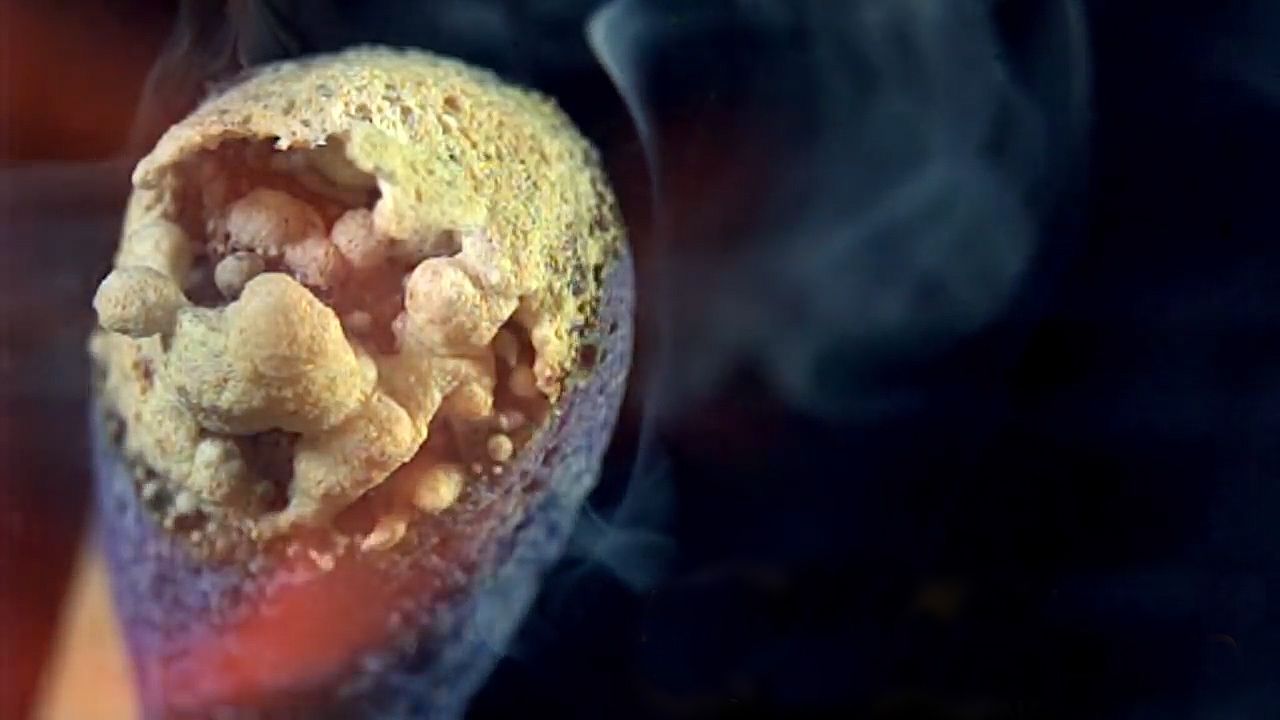
The law of conservation of mass states that matter cannot be created or destroyed in chemical reactions. In the context of combustion, this principle dictates that the total mass of the reactants (such as the fuel and oxygen) must equal the total mass of the products (such as carbon dioxide and water) formed during the reaction.123
Because atoms are neither created nor destroyed, they simply rearrange into new molecules. To reflect this, chemical equations for combustion must be balanced, ensuring that the same number of atoms of each element appears on both sides of the equation. For example, in the combustion of methane, the reaction is represented as:23
This balanced equation confirms that 80 grams of reactants will yield exactly 80 grams of products. While modern physics recognizes that mass and energy are interconvertible, the mass change in ordinary chemical reactions like combustion is so slight that the conservation of mass remains a highly accurate and practical principle for predicting product mass.24