
How does striking a match start a combustion reaction?
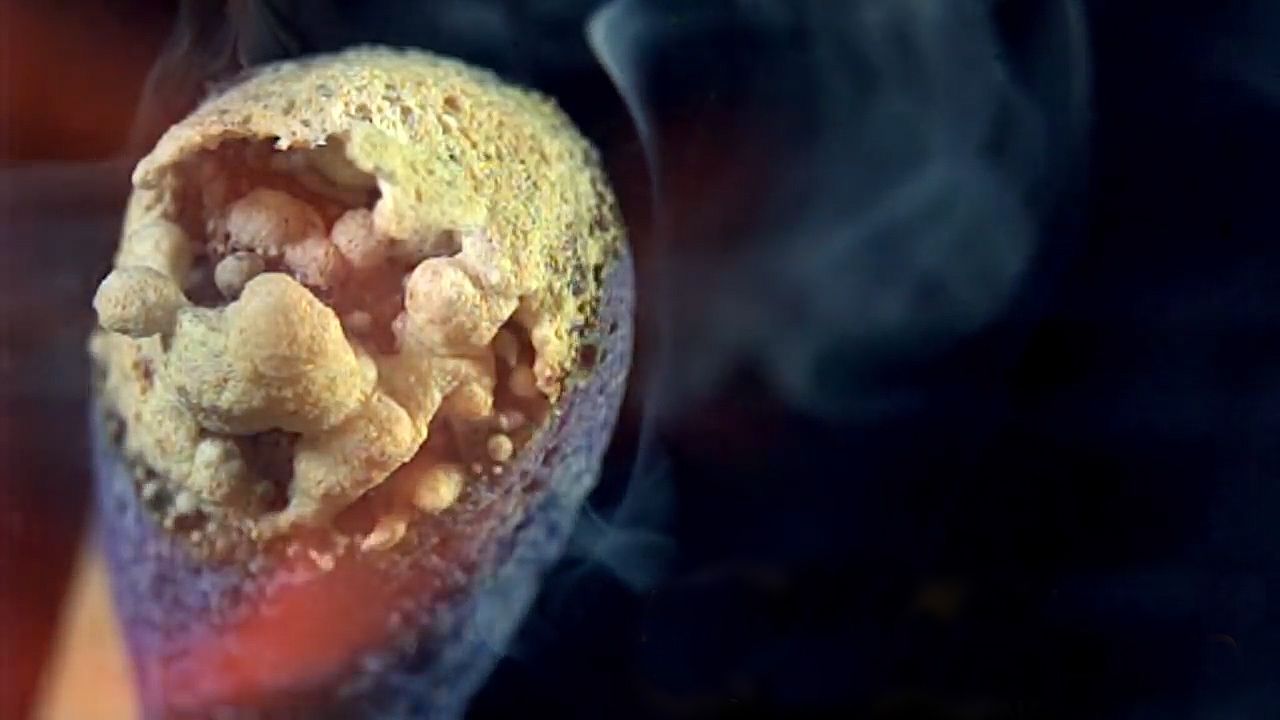
Striking a match initiates a combustion reaction through the generation of frictional heat. When a match is struck, the resulting friction raises the temperature of the match head to a point where its chemical components react.12
These chemicals—which typically include an igniting agent like phosphorus and oxidizing agents such as potassium chlorate—generate more heat than can escape into the surrounding air. This rapid release of energy accelerates the reaction, causing the head to ignite and produce a flame.12
Once lit, the heat from this flame raises the temperature of the adjacent matchstick and the surrounding oxygen in the air. This allows the wood to begin its own combustion reaction, sustaining the flame as it consumes the fuel. In safety matches, this process is specifically designed so that the ignition ingredients are separated between the match head and a specially prepared striking surface, requiring the two to be brought together to trigger the reaction.21