
How does reflected light determine the color seen on an organism’s surface?
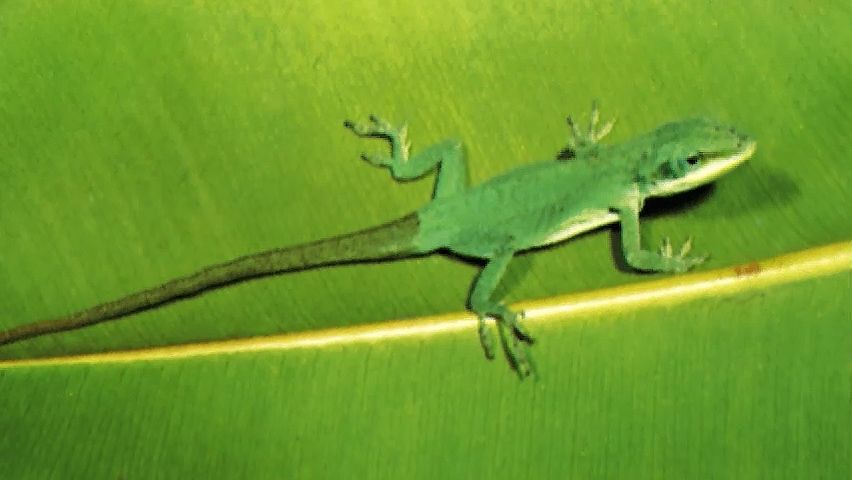
The color seen on an organism’s surface is determined by the specific wavelengths of light that are reflected toward the eye, which depends on how the surface interacts with incoming light through absorption, reflection, or interference.12
Chemical Pigmentation
Many organisms derive color from biochromes (pigments) that selectively absorb specific wavelengths of light based on their molecular resonance. When a pigment absorbs certain wavelengths, the remaining unabsorbed light is reflected or transmitted to the observer. For example:1
* Selective Absorption: Compounds that absorb shorter, rapid waves (violet and blue) appear yellow or orange, while those that absorb longer waves (red and orange) appear blue or green.1
* Full Absorption/Reflection: Black surfaces absorb all visible light equally, while white surfaces reflect all visible light without significant absorption.13
Structural Coloration
Color can also result from physical structures rather than chemical pigments. This occurs through:4
* Interference: Thin-film structures can cause light waves to reinforce or cancel each other, producing iridescent colors that change with orientation. These are often intensified by underlying dark layers of melanin that absorb nonreflected light.5
* Total Reflection: The scattering of light by minute air spaces or specific tissue deposits can result in the total reflection of white light.34