
How does oxygen diffusion limit char combustion at high temperatures?
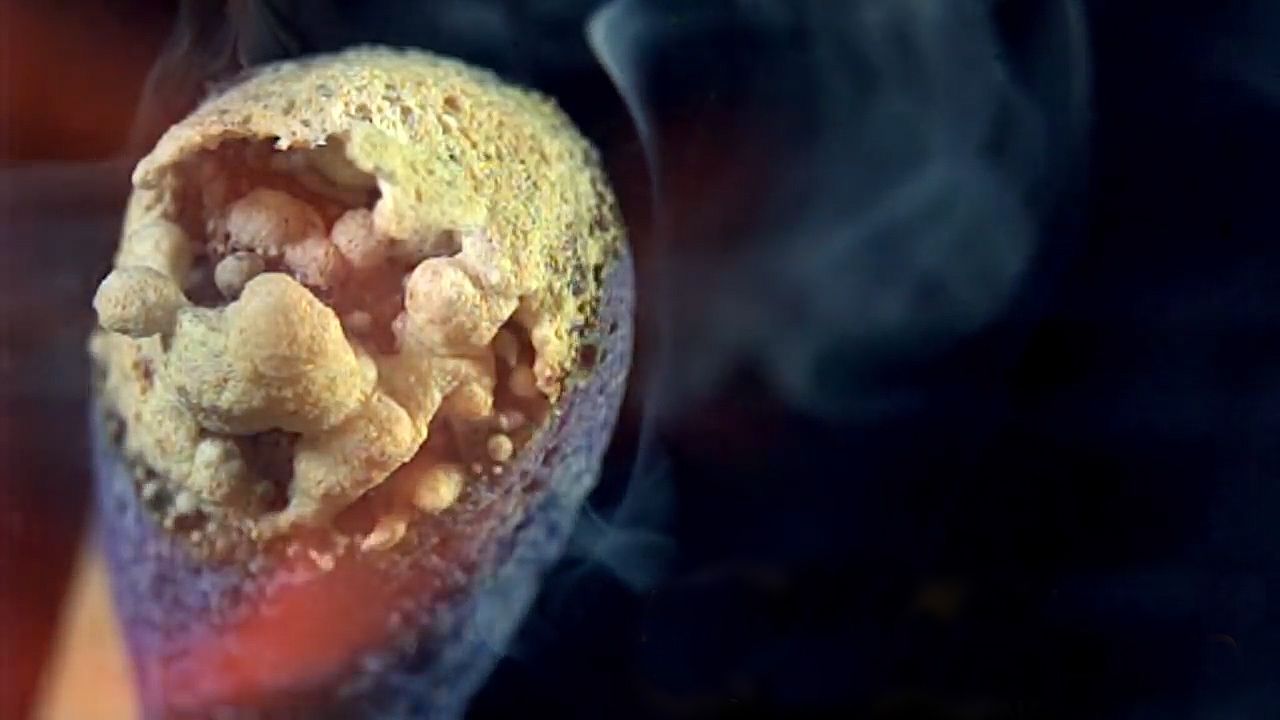
Char combustion involves a sequence of steps, including the diffusion of oxygen to the particle surface, the chemical reaction at that surface, and the diffusion of products away from the surface.1
At low temperatures, the overall reaction rate is limited by the chemical reaction itself. However, because the rate of the chemical reaction increases exponentially with temperature, it eventually becomes extremely rapid at high temperatures. When this occurs, the chemical reaction proceeds faster than oxygen can be supplied to the surface. Consequently, the overall combustion rate is no longer determined by the reaction kinetics but is instead limited by the rate at which oxygen can diffuse through the gas to reach the reacting char surface.1
This transition highlights that the controlling mechanism of combustion depends on factors such as reaction temperature, particle size, and the inherent reactivity of the material.1