
How does locomotion help animals find food and avoid predators?
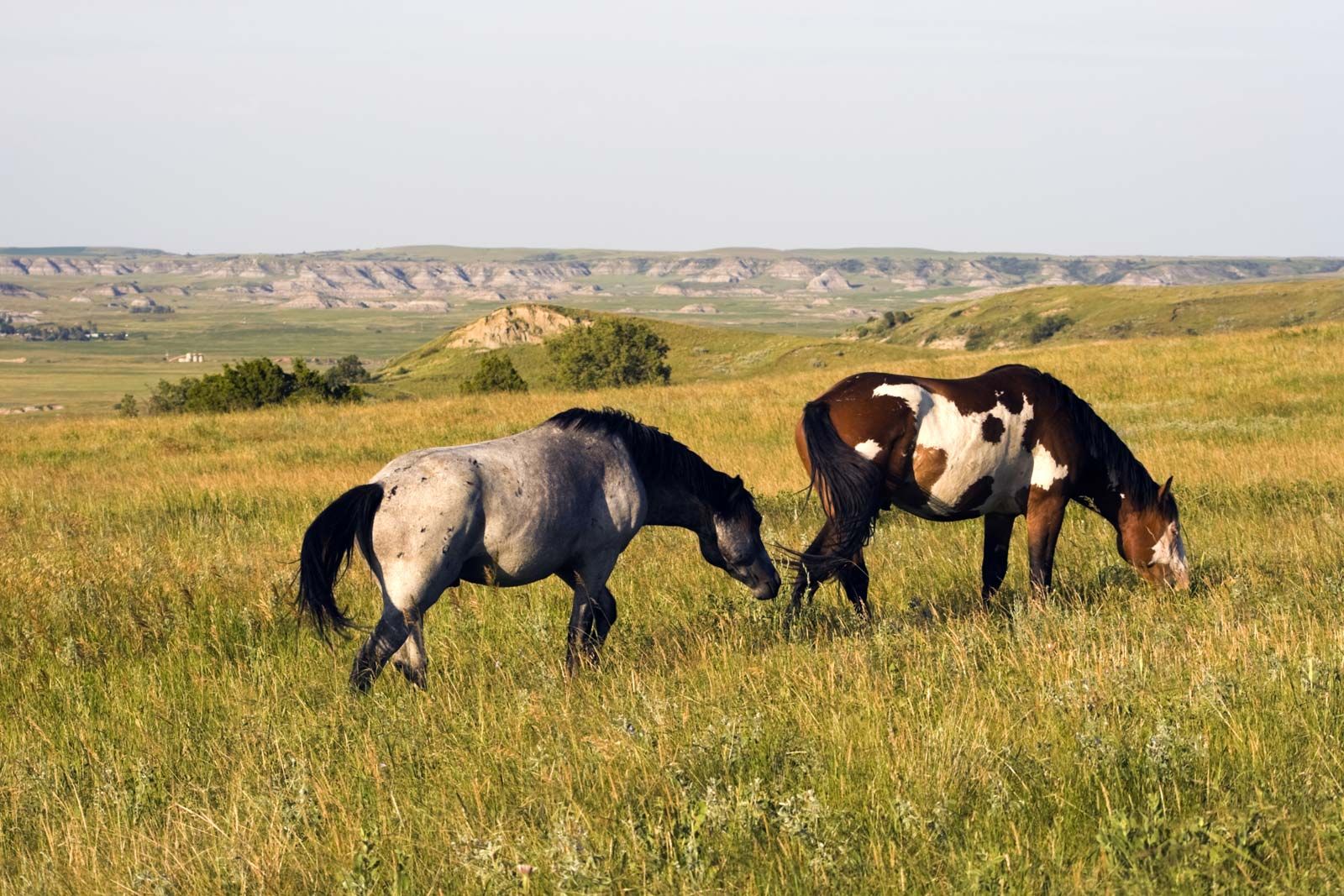
Locomotion is a fundamental adaptation that allows animals to displace their bodies to find food, locate mates, and escape predators or unsuitable habitats.1
Finding Food
Animals employ various locomotory strategies to secure nutrition:
* Active Searching: Many animals expend energy to actively move through their environment—whether by swimming, flying, or crawling—to locate concentrated food sources.1
* Substrate Feeding: Some burrowing animals consume the organic material they move through, effectively combining locomotion with feeding.1
* Passive Strategies: Sessile animals may remain stationary, relying on water or air currents to bring food within reach. Some mobile animals also adopt sedentary hunting techniques, such as spiders spinning webs or deep-sea fish using lures to attract prey.1
* Cooperation: Social animals, such as ants, may use coordinated movement to farm, herd, or raid other organisms for food.1
Avoiding Predators
Locomotion is critical for survival when animals are threatened:
* Reflexive Escape: Many animals possess rapid locomotor reflexes, such as the sudden jet propulsion of a squid or the leap of a grasshopper, to flee from startling stimuli.2
* Speed and Direction: Invertebrates often evolve specialized, high-speed nerve fibers to compete with faster predators. Furthermore, the direction of escape—such as a fish diving to the bottom or a pond skater fleeing toward the shore—is often crucial for survival.2
* Evasive Tactics: Animals may use explosive, unpredictable movements or conspicuous displays that stop suddenly to confuse predators, making it difficult for them to track the prey's disappearance.2