
Britannica
Sources used in this answer
How does hydrogen combustion form water?
Created from Britannica articles
using AI.
AI can make mistakes, so verify using Britannica articles.
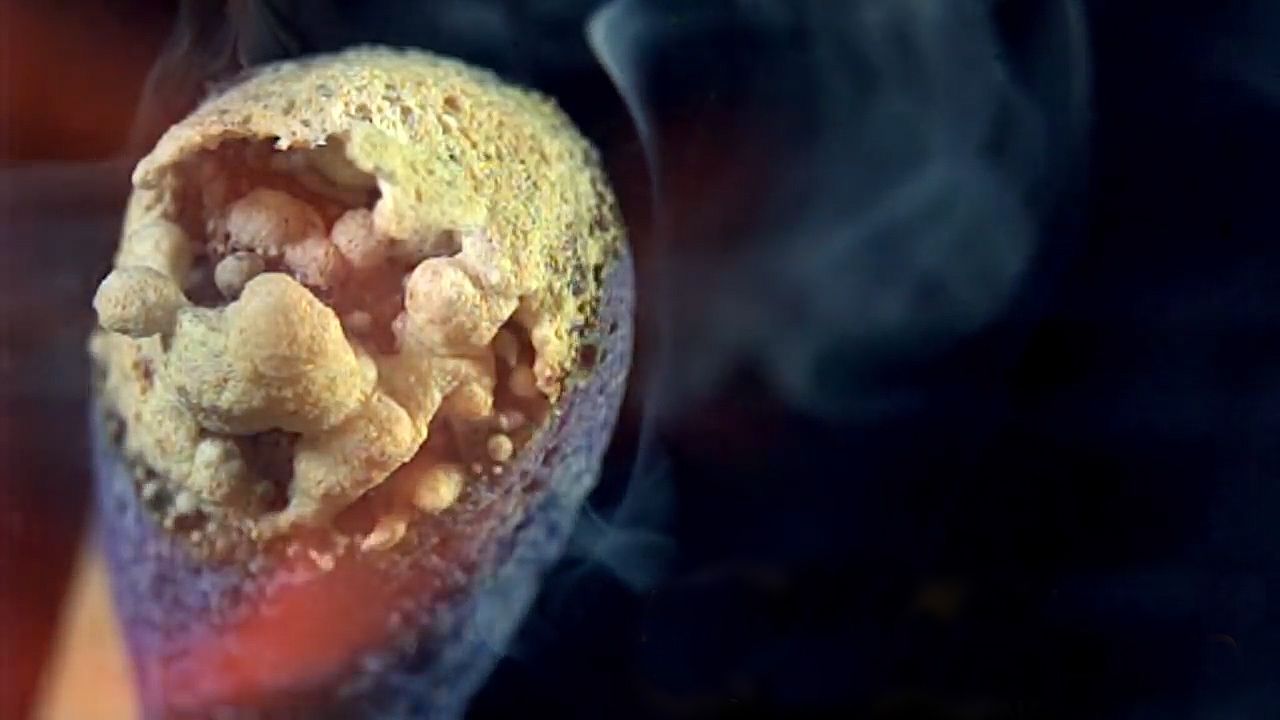
combustion
Learn about the chemistry of lighting a match.
Hydrogen combustion is a complex, exothermic process that results in the formation of water through a series of branched-chain reactions.12
The mechanism involves the following key steps:
- Initiation and Propagation: The reaction begins with the interaction of hydrogen and oxygen atoms with oxygen and hydrogen molecules, respectively. This process generates hydroxyl radicals.1
- Formation of Water: The final product, water, is formed primarily through the combination of these hydroxyl radicals with hydrogen molecules.1
- Chain Termination: The reaction is regulated by chain-terminating steps, such as the recombination of atoms and molecular fragments, as well as the adsorption of active particles onto solid surfaces.1
Overall, the reaction between molecular hydrogen and oxygen is represented by the chemical equation:
This reaction is highly exothermic, meaning it releases energy as heat. While the reaction rate is negligible at room temperature due to the high dissociation energy of the hydrogen molecule, it proceeds at a measurable rate above 300 °C and can ignite explosively when heated to 550–600 °C or in the presence of a catalyst, spark, or flame.32