
How does hydrocarbon combustion differ from hydrogen combustion?
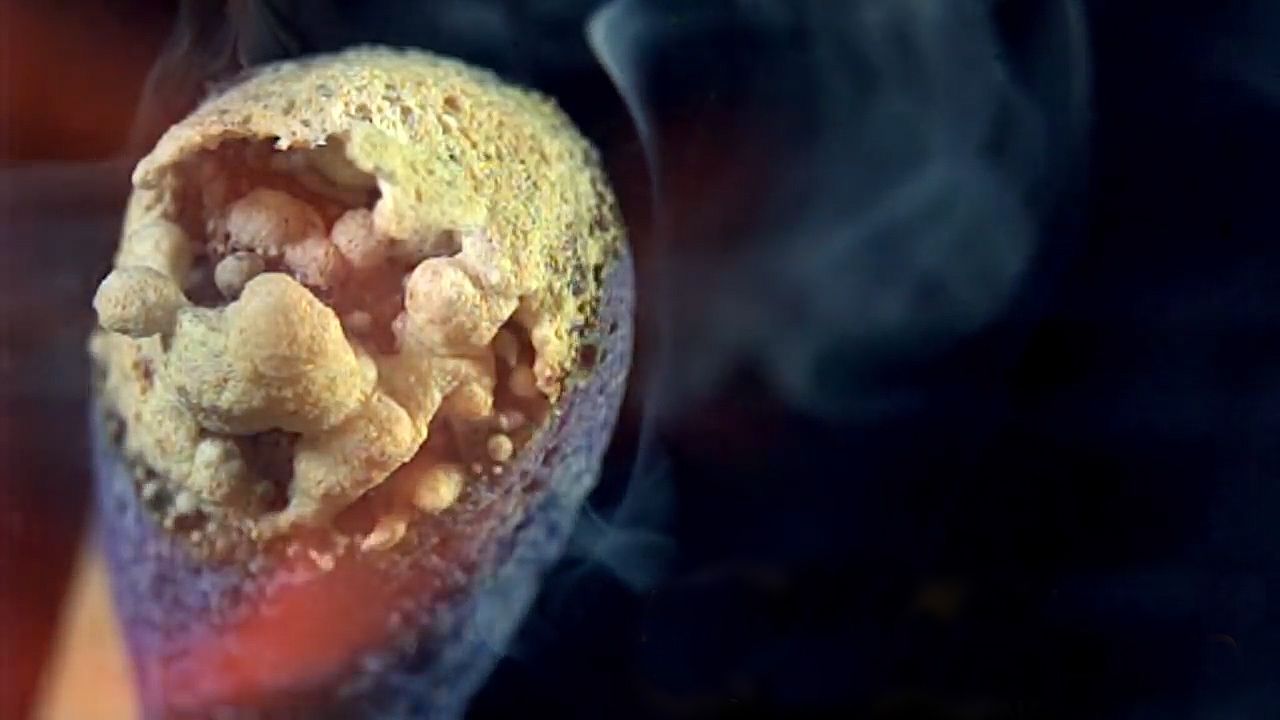
The primary difference between hydrogen and hydrocarbon combustion lies in the complexity of their reaction mechanisms.
Hydrogen combustion proceeds through a branched-chain reaction involving hydrogen and oxygen atoms and molecules, which produce hydroxyl radicals that ultimately combine with hydrogen to form water.1
In contrast, hydrocarbon combustion is significantly more complex due to the diversity of molecules and radicals involved. While it shares some elementary steps with hydrogen combustion, it is further complicated by thermal decomposition—the breakdown of complex organic compounds without oxidation.1
Additionally, hydrocarbon combustion is categorized into two distinct types:
* Slow combustion: Occurs below 500 °C and may include cool flames.1
* High-temperature combustion: Characterized by hot flames. Higher hydrocarbons often exhibit two-stage ignition, where a cool-flame stage produces readily oxidizable substances before the hot flame occurs.1