
Britannica
Sources used in this answer
How does gravity help move water through the water cycle?
Created from Britannica articles
using AI.
AI can make mistakes, so verify using Britannica articles.
water
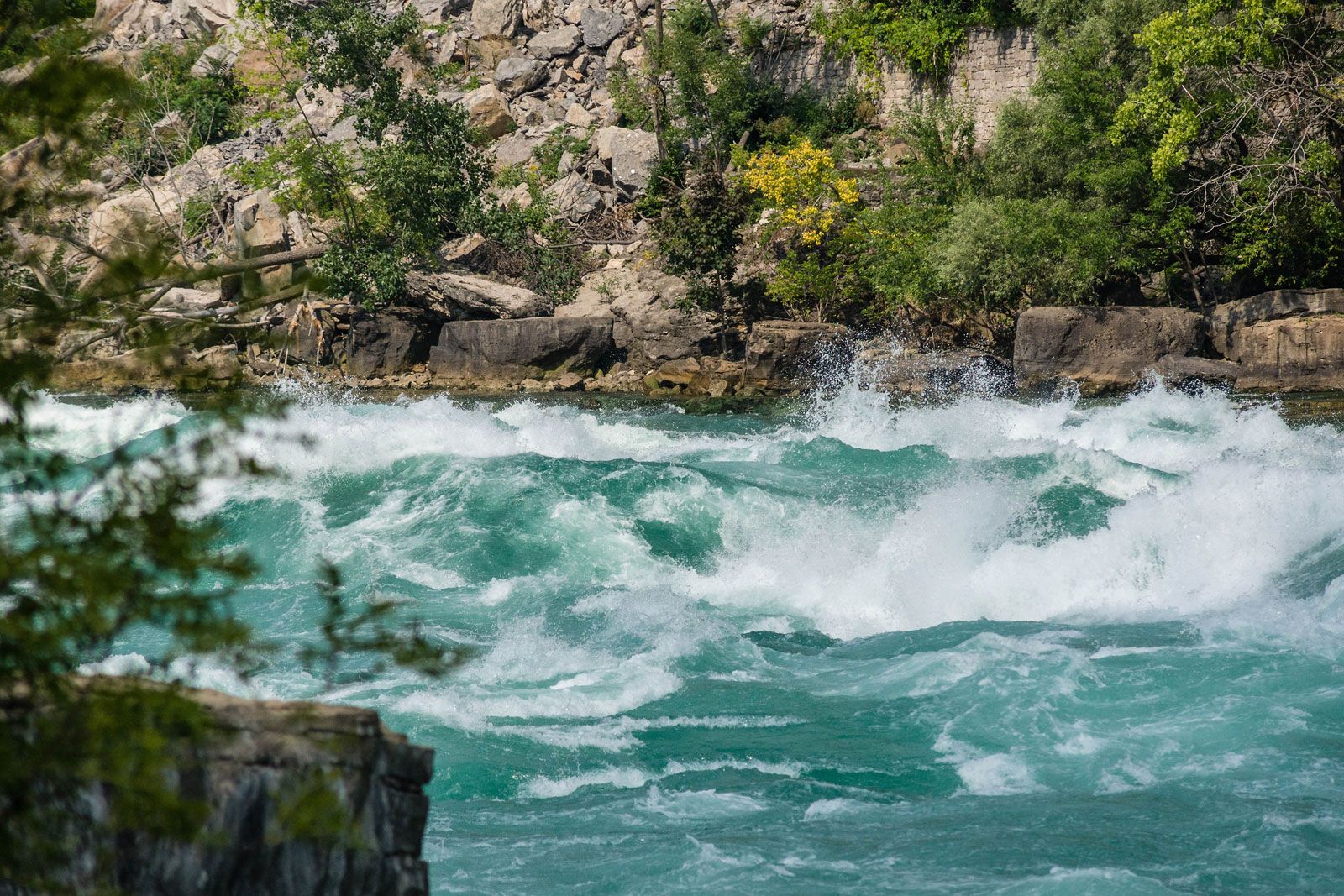
Water is the most plentiful compound on Earth and is essential to life. Although water molecules are simple in structure (H2O), the physical and chemical properties of water are extraordinarily complicated.
Gravity is a fundamental force in the hydrologic cycle, working alongside solar energy to drive the continuous movement of water.1
Gravity influences the cycle in several key ways:
- Precipitation: Once water vapor condenses in the atmosphere, gravity pulls it back to Earth’s surface as precipitation.1
- Surface Flow: Gravity directs runoff—the water from rain and melted snow—downward, facilitating the formation of streams, rivers, and lakes as water moves toward lower elevations.1
- Groundwater Movement: Water that infiltrates the soil moves into aquifers. Under the constant pull of gravity, this groundwater flows steadily through porous rock and soil, eventually emerging in springs or returning to the ocean to complete the cycle.1
By pulling water toward the lowest possible point, gravity ensures that water eventually returns to the oceans, where the process of evaporation can begin anew.1