
Britannica
Sources used in this answer
How does courtship coloration help animals attract mates?
Created from Britannica articles
using AI.
AI can make mistakes, so verify using Britannica articles.
coloration
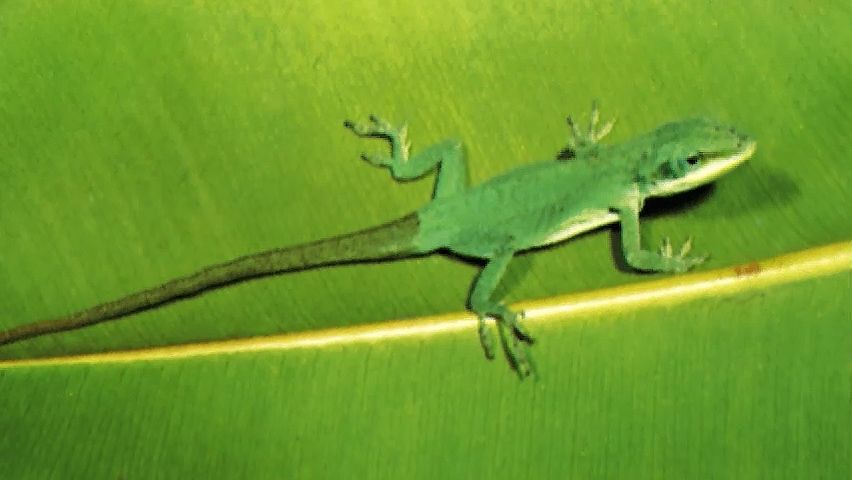
The anole changes color in response to its stress level.
Courtship coloration serves as a vital reproductive signal, functioning to attract and arouse potential mates while aiding in the reproductive isolation of species. Through sexual selection, these bright displays act as indicators of an individual's health, genetic robustness, and, in some cases, the quality of their territory.21
Animals employ several strategies to utilize these signals efficiently:
- Strategic Display: Many species conceal bright colors when not courting, revealing them only through specific postures or by erecting feathers or specialized structures, such as the throat fans of Anolis lizards.23
- Dynamic Changes: Some animals, particularly fishes and cephalopods, use rapid, hormonally or neurally mediated color changes to signal sexual arousal only when a potential mate is present.23
- Competitive Signaling: Beyond attracting females, vibrant colors can signal dominance to rival males, helping to secure access to mates or resources.1
- Environmental Cues: In some species, coloration is derived from diet, allowing the intensity of the color to serve as an honest signal of the male's ability to forage and defend a high-quality territory.1