
Britannica
Sources used in this answer
How does coal combustion proceed through volatile matter and char stages?
Created from Britannica articles
using AI.
AI can make mistakes, so verify using Britannica articles.
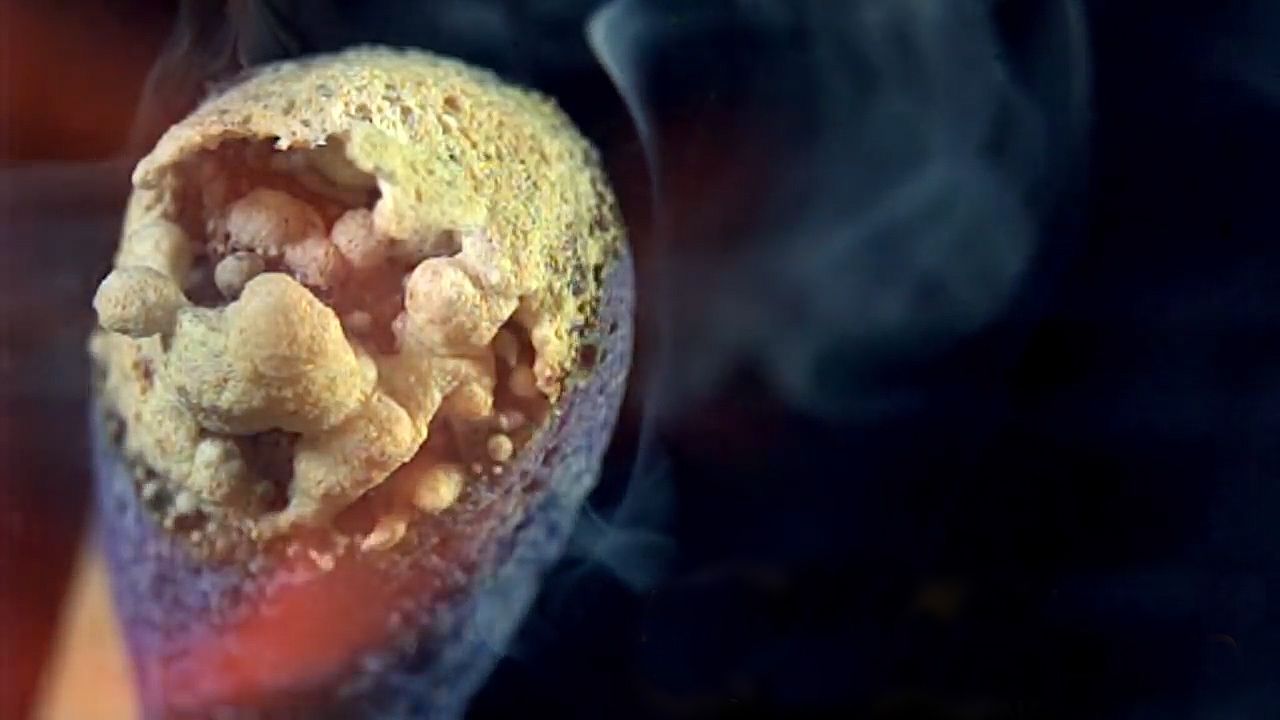
combustion
Learn about the chemistry of lighting a match.
The combustion of a coal particle typically proceeds through two primary stages:
- Evolution of Volatile Matter: During the initial heating phase, volatile matter—a mixture of gases, oils, and tars—is driven off the coal particle. This stage involves significant physical and chemical changes as the material is released.1
- Combustion of Residual Char: Following the ignition and combustion of the volatile matter, oxygen diffuses to the surface of the remaining char to initiate its combustion. In some cases, these two stages may occur simultaneously.1
The oxidation of char involves three specific steps:
* The diffusion of oxygen from the bulk gas to the char surface.1
* The chemical reaction between the oxygen and the surface of the char particle.1
* The diffusion of the resulting reaction products away from the char surface and back into the bulk gas.1
At lower temperatures, the chemical reaction rate is the limiting factor, while at higher temperatures, the process is often controlled by the rate at which oxygen can diffuse to the particle surface.1