
Britannica
Sources used in this answer
How does bond breaking and bond formation cause energy changes in combustion?
Created from Britannica articles
using AI.
AI can make mistakes, so verify using Britannica articles.
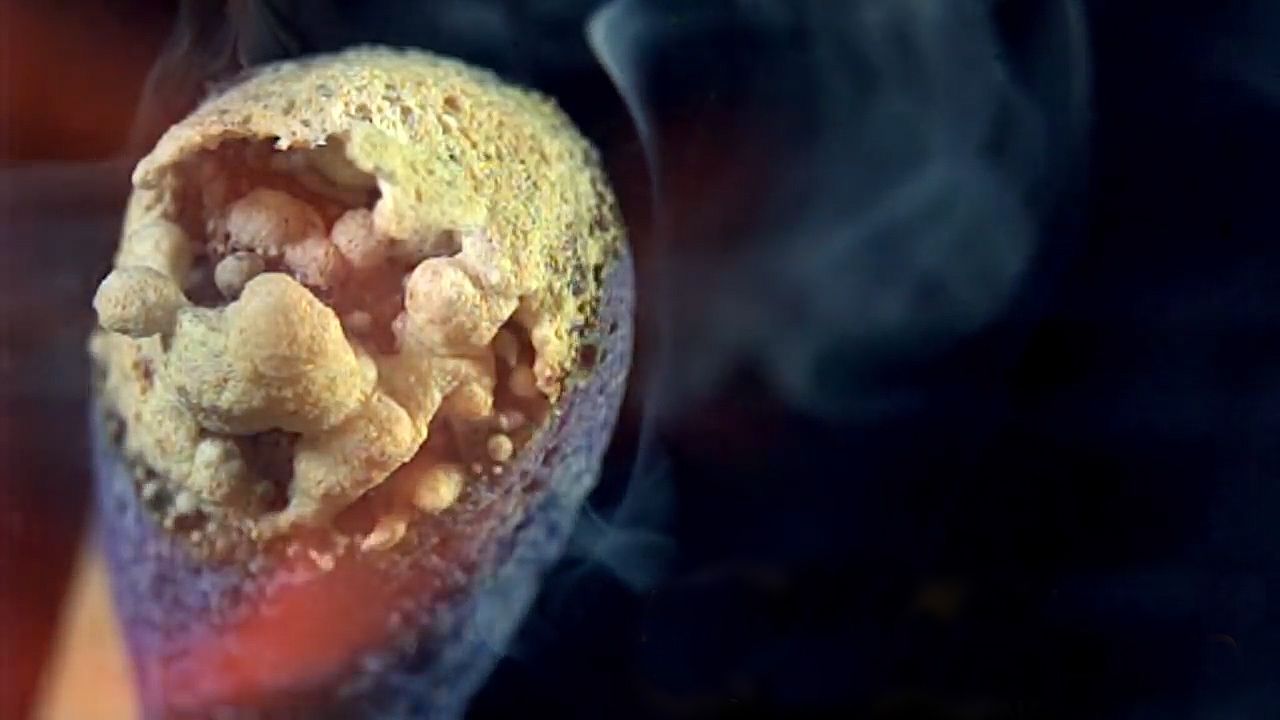
combustion
Learn about the chemistry of lighting a match.
In a chemical reaction such as combustion, energy changes are fundamentally driven by the breaking and forming of chemical bonds.1
The process involves two distinct energy phases:
- Bond Breaking: Energy is absorbed to break the existing bonds between atoms in the reactant molecules. This initial input is often required to reach the activation energy necessary to initiate the transformation.14
- Bond Formation: Energy is evolved (released) as these atoms or molecular fragments are reassembled into new products by forming new bonds.1
Combustion is typically an exothermic reaction, meaning the energy released during the formation of new bonds is greater than the energy absorbed to break the original bonds. This net release of energy is observed as the generation of heat and light. Because more energy is generated than can escape into the surrounding medium, the temperature of the reactants increases, which further accelerates the reaction.12