
Britannica
Sources used in this answer
How does bioluminescence contribute to the coloration of some organisms?
Created from Britannica articles
using AI.
AI can make mistakes, so verify using Britannica articles.
coloration
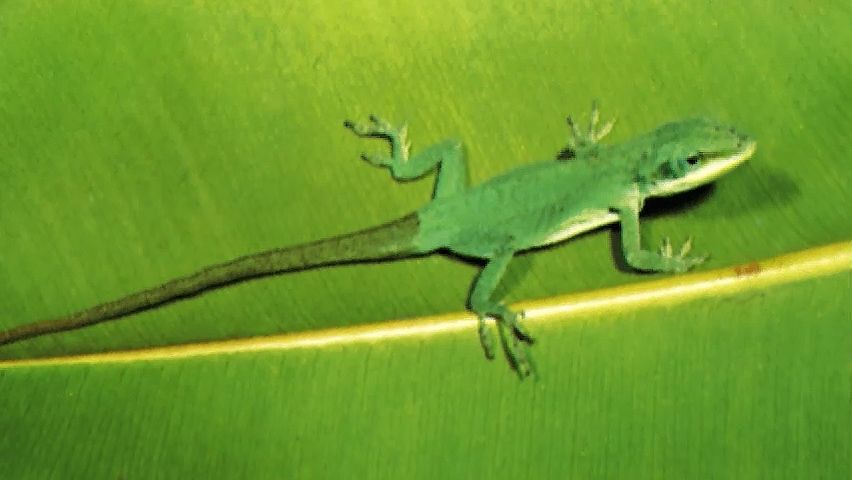
The anole changes color in response to its stress level.
Bioluminescence contributes to the coloration and appearance of various organisms by serving as a functional tool for survival, communication, and defense rather than as a static pigment-based color. Through the chemical process of chemiluminescence, organisms produce "cold light"—often blue-green—that alters how they are perceived in their environment.1234
Key ways this light emission functions include:
- Camouflage: Many deep-sea organisms use photophores on their ventral surfaces to match the intensity of sunlight filtering from above, effectively concealing their shadows from predators below.12
- Predation: Predators like the anglerfish utilize glowing lures to attract prey in the darkness of the deep ocean.41
- Communication and Mating: Light flashes serve as vital signals for species recognition and mating, such as the specific flash intervals used by fireflies to identify potential partners.12
- Defense: Some organisms, such as certain squids, secrete luminous clouds to confuse enemies and facilitate escape, while others use light organs to startle predators or disguise their true form.12
It is important to distinguish this from biofluorescence, which is a physical process where an organism absorbs and re-emits light rather than generating it chemically.5