
How does a premixed flame differ from a diffusion flame?
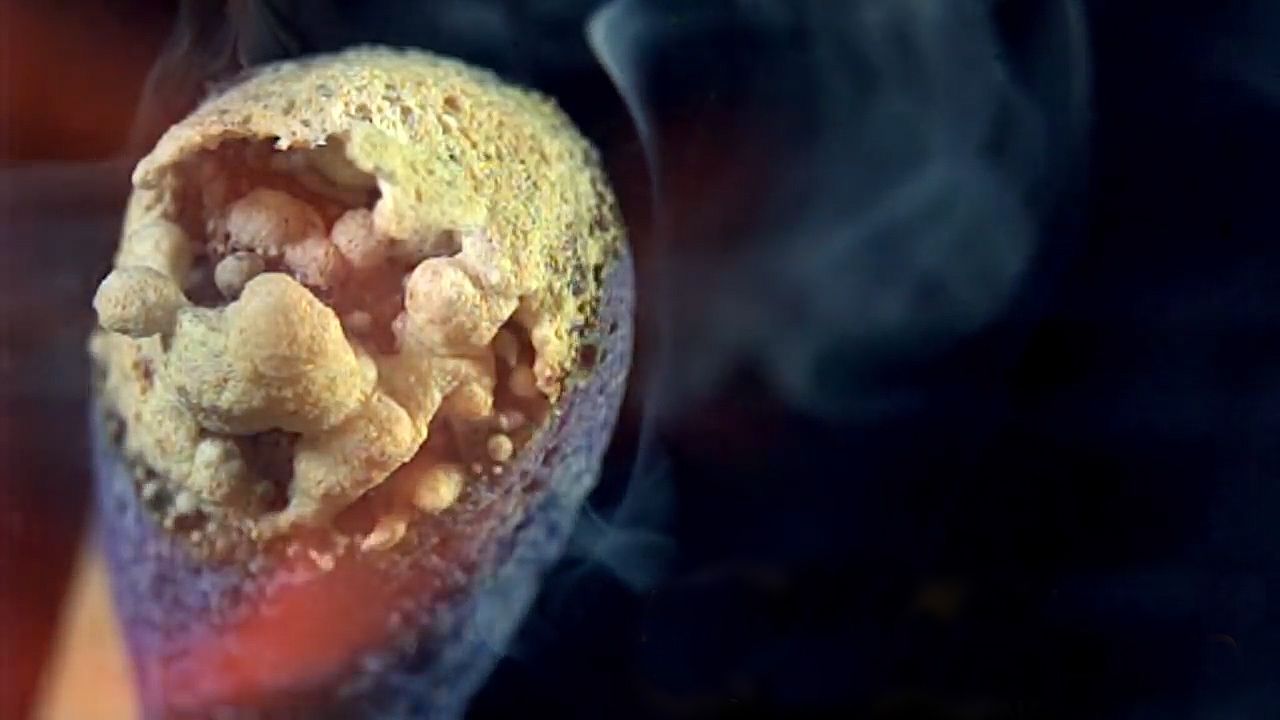
The primary difference between premixed and diffusion flames lies in whether the fuel and oxidant are combined before reaching the combustion zone.12
Premixed Flames
In premixed flames, the fuel and oxidant (such as oxygen) are mixed prior to entering the burning zone. The chemical reaction occurs within a narrow, distinct region known as the flame front. Key characteristics include:3
* Burning Velocity: A fundamental property determined by the mixture's chemical and thermodynamic characteristics.3
* Propagation: Driven by heat transport and the diffusion of active particles (radicals) from the combustion zone into the unburned mixture.3
* Control: The reaction rate can be influenced by diluting the mixture with inert gases like nitrogen.3
Diffusion Flames
In diffusion flames, the ingredients are not mixed before entering the burning zone. Instead, mixing occurs through molecular or turbulent diffusion.1
* Mechanism: Because the structure is dictated by gas intermixing, the theory of these flames relies more heavily on physics and thermodynamics than on specific chemical reaction kinetics.1
* Examples: Common examples include candles, liquid droplets, and many industrial furnace flames.1