
How does a detonation differ from ordinary combustion?
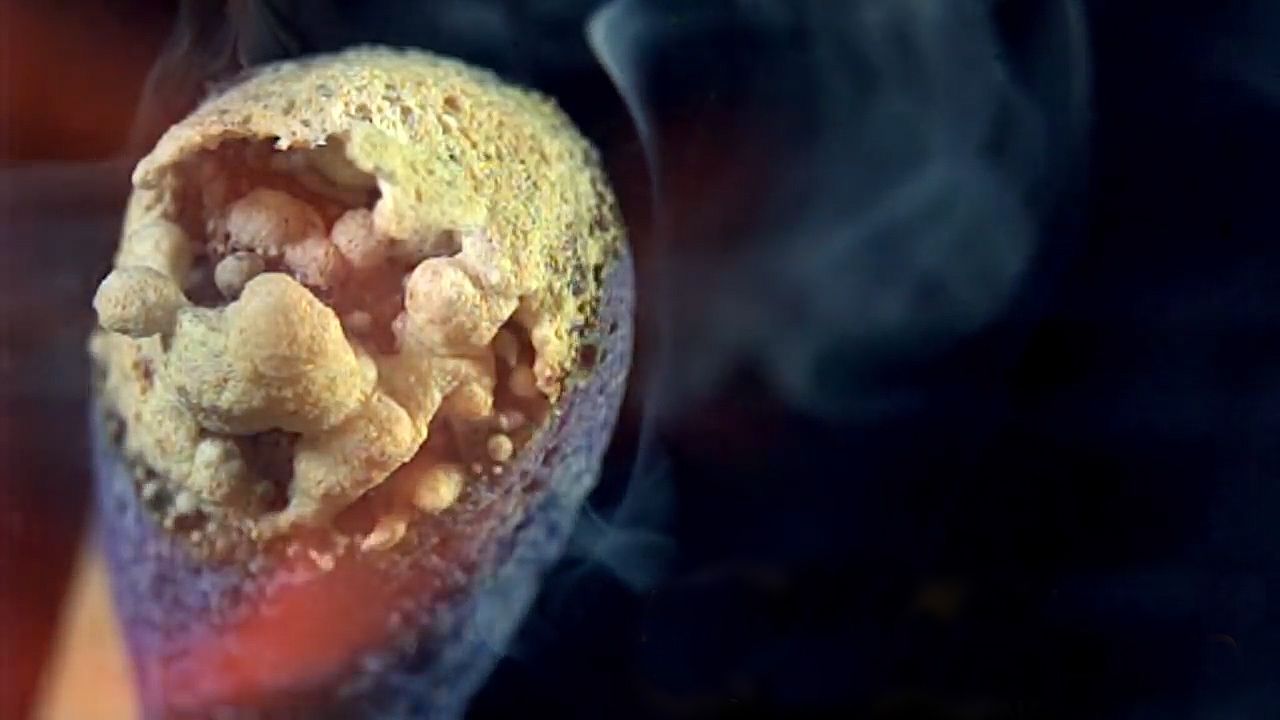
Detonation differs from ordinary combustion primarily in its ignition mechanism and the speed at which the reaction propagates.1
While ordinary combustion is a chemical reaction typically involving oxygen that generates heat and light through a flame, detonation is characterized by a shock wave—a region of sudden, violent change in pressure, density, and temperature. In a detonation, the flame front advances at supersonic velocities—ranging from 2–5 kilometers per second for gases and 8–9 kilometers per second for solid and liquid explosives.123
The ignition in a detonation occurs because the compression within the shock wave raises the temperature of the mixture to the point of self-ignition. This creates a shock wave–combustion zone complex that moves much faster than the subsonic propagation seen in standard combustion processes.1