
- coloration - Countershading
- coloration - Disruptive coloration
- coloration
- coloration - Background matching
- coloration - The adaptive value of biological coloration
- concealing coloration
- coloration - Optical functions: combination of concealing and advertising coloration
- coloration - The role of shape in relation to coloration
How do the shape and movement of an organism affect its coloration?
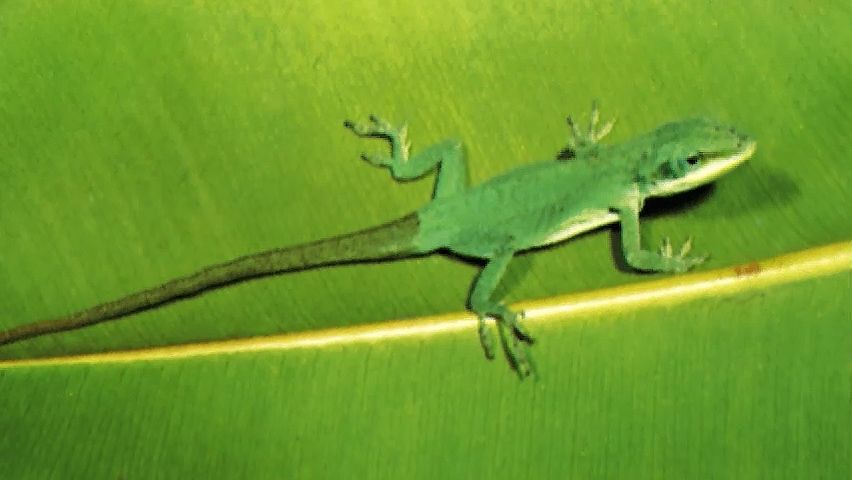
In biology, an organism's shape and movement are integral to its overall coloration, as they work together to influence how the organism is perceived by others.12
The Role of Shape
An organism's three-dimensional form often creates shadows that can reveal its presence. Countershading addresses this by using darker pigmentation on upper surfaces to counteract natural shading, effectively flattening the appearance of depth. Furthermore, body shape dictates the orientation of patterns; for instance, deep-bodied fishes often exhibit vertical banding, while elongated species typically feature horizontal stripes. These patterns are often linked to the specific swimming behaviors of those body types.345
The Role of Movement
Movement and shape are frequently coordinated to enhance concealment or communication:
* Concealment: Disruptive coloration uses patterns that break up an organism's outline, making it difficult for predators to perceive the animal's true shape or movement. For example, the forward movement of concentrically banded snakes is harder to track when they move through grass.64
* Behavioral Integration: Cryptic coloration is often paired with specific behaviors, such as choosing appropriate backgrounds. Some animals, like flatfishes, can actively change their pattern to match the surface they rest upon.72
* Communication: Many animals use posture and movement to reveal or hide coloration, such as birds erecting feathers to display brilliant colors for courtship or lizards extending throat fans.8