
Britannica
Sources used in this answer
How do springs and streams receive water from aquifers?
Created from Britannica articles
using AI.
AI can make mistakes, so verify using Britannica articles.
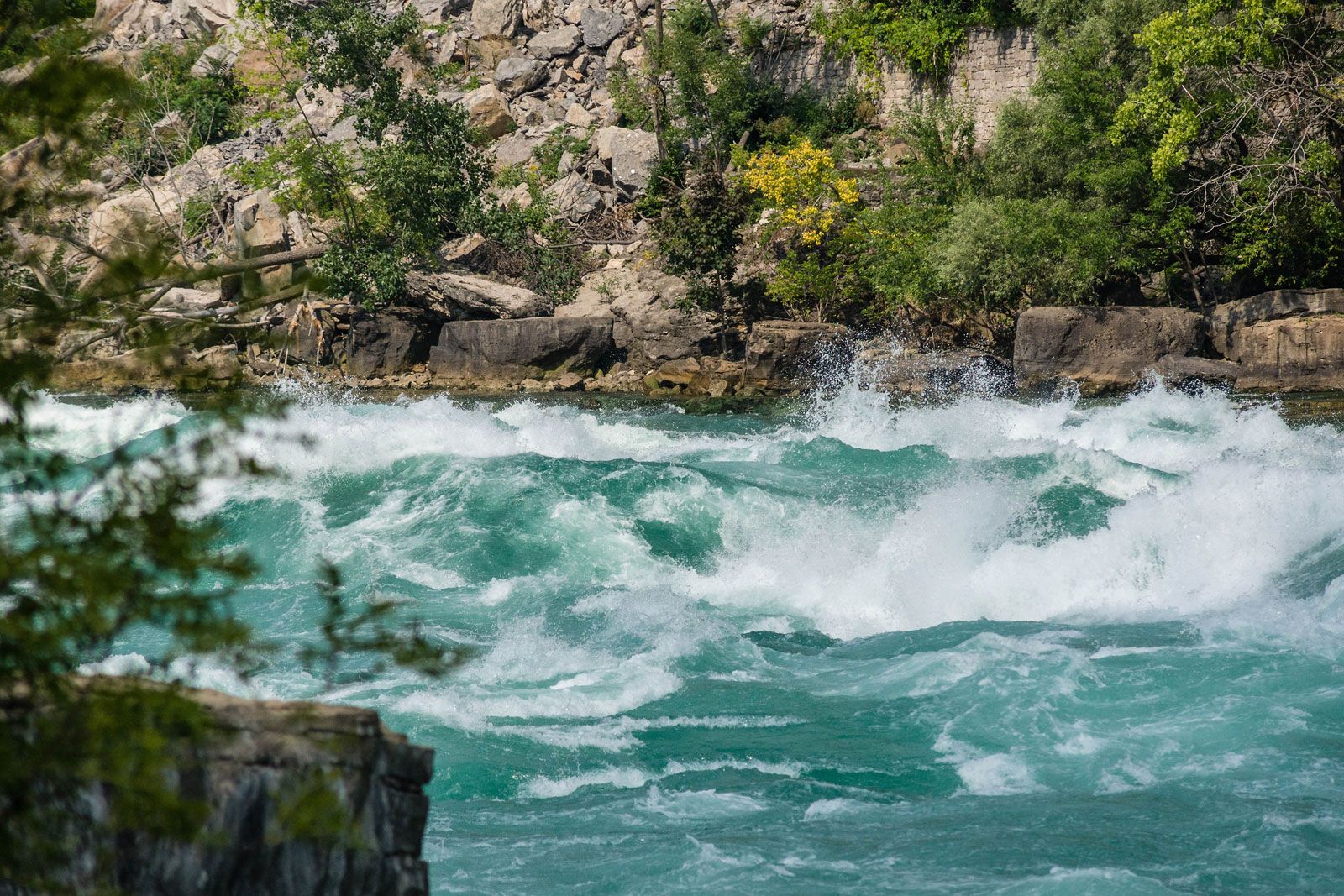
water
Water is the most plentiful compound on Earth and is essential to life. Although water molecules are simple in structure (H2O), the physical and chemical properties of water are extraordinarily complicated.
Springs and streams receive water from aquifers primarily through the movement of groundwater driven by gravity and pressure gradients.1
Mechanisms of Discharge
- Springs: A spring occurs when groundwater reaches the Earth's surface at a natural discharge point. This happens when the water table intersects the surface or when water stored under pressure in a confined aquifer escapes through openings such as faults or joints in the rock.23
- Streams: Streams receive water when they intersect the groundwater table. If the groundwater table is higher than the level of the stream, a pressure head develops, forcing groundwater to flow into the stream channel. This groundwater flow provides the base flow that sustains streams between precipitation events.4
In both cases, the water originates as precipitation that infiltrates the soil and percolates downward into permeable rock layers. This process, known as recharge, replenishes the aquifer, allowing it to store and transmit water until it eventually emerges at the surface.251