
Britannica
Sources used in this answer
How do radio waves, microwaves, visible light, X-rays, and gamma rays differ from one another?
Created from Britannica articles
using AI.
AI can make mistakes, so verify using Britannica articles.
electromagnetism
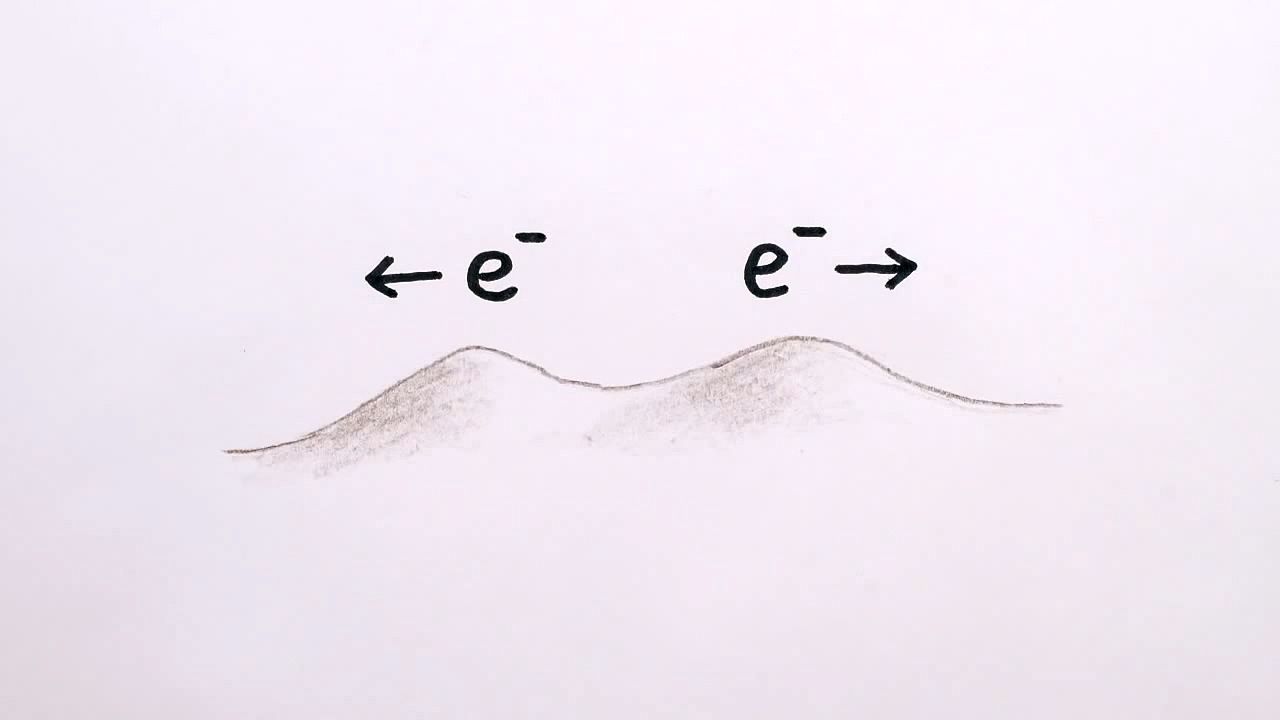
Learn how the presence of electrons between two objects changes the notion of touch.
Radio waves, microwaves, visible light, X-rays, and gamma rays are all forms of electromagnetic radiation. While they all travel at the speed of light in a vacuum, they differ primarily in their frequency, wavelength, and photon energy.12
These differences in scale lead to distinct behaviors in how the radiation is emitted, absorbed, and transmitted, as well as how it interacts with matter. Because of these varying interactions, they are categorized into different regions of the electromagnetic spectrum:123
- Radio waves and Microwaves: These have the lowest frequencies. They are typically generated by or interact with freely moving electrons in antennas or space.4
- Visible light: This occupies a middle range of the spectrum, with frequencies corresponding to charges within atoms.4
- X-rays and Gamma rays: These have the highest frequencies. X-rays correspond to charges within atoms, while gamma rays are associated with the even higher-frequency charges found within atomic nuclei.4
Ultimately, these names are practical labels for different parts of a continuous spectrum, reflecting how we detect and utilize these waves in daily life and science.12