
Britannica
Sources used in this answer
How do polymerization and dehydrogenation contribute to soot formation?
Created from Britannica articles
using AI.
AI can make mistakes, so verify using Britannica articles.
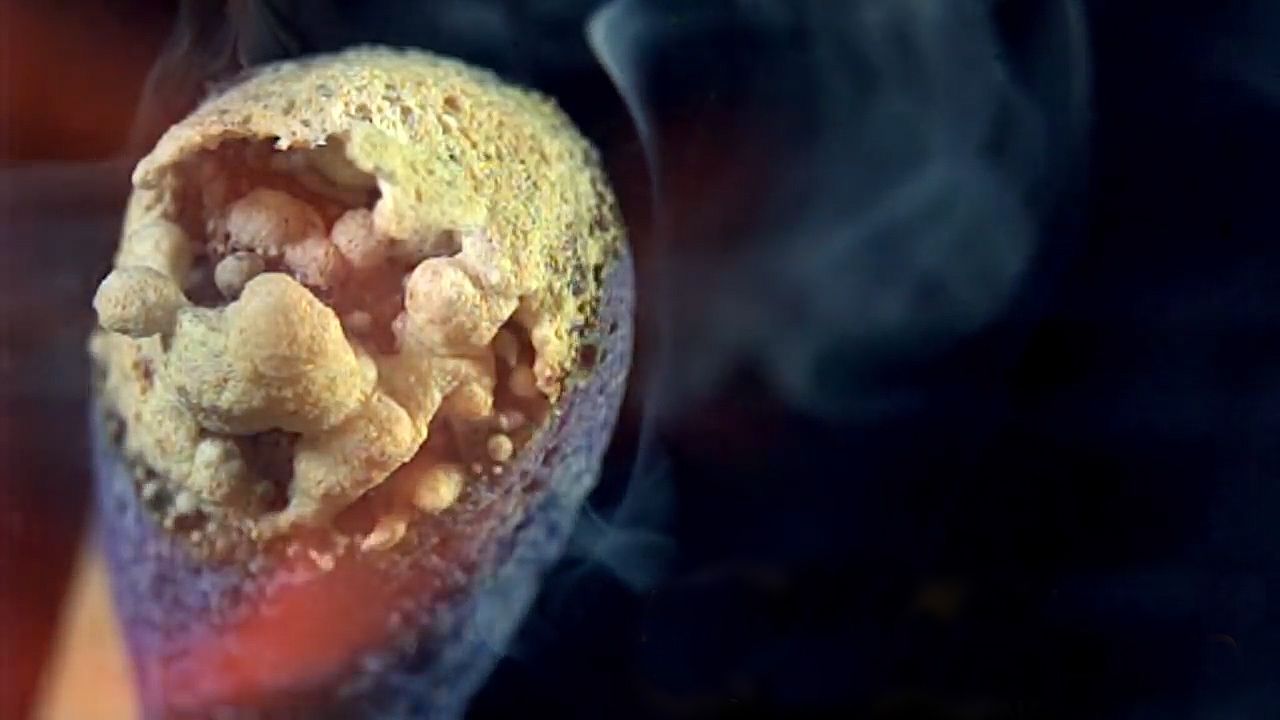
combustion
Learn about the chemistry of lighting a match.
In hydrocarbon flames, the formation of soot is a characteristic process that renders the flame luminous and nontransparent. This phenomenon is driven by the simultaneous occurrence of two chemical mechanisms:
- Polymerization: This process involves the combination of molecules or molecular fragments into increasingly large, complex groupings.
- Dehydrogenation: This process involves the systematic elimination of hydrogen from the molecular structures.
Together, these reactions facilitate the growth of carbon-rich particles within the flame, ultimately resulting in the production of soot.1