
How do pigments and structural colors produce coloration in organisms?
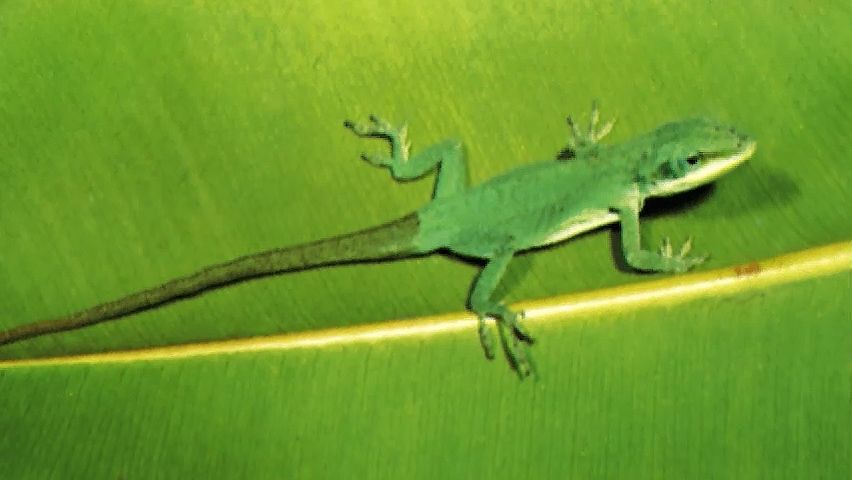
Organisms produce coloration through two primary mechanisms: biochemical pigments and physical structural modifications.1
Pigmentary Coloration (Biochromes)
Pigments are chemical substances that produce color by selectively absorbing, reflecting, or transmitting specific portions of the solar spectrum. These molecular-based colors remain stable even if the tissue is crushed or compressed. Common biological pigments include:1
* Carotenoids: Responsible for yellow, orange, and red hues in various plants and animals.2
* Melanins: Polymers that produce brown, black, and reddish-brown colors, often found in skin, hair, and feathers.3
* Hemoglobins: Iron-containing pigments that impart pink to red colors to blood and tissues.4
Structural Coloration (Schemochromes)
Structural colors are produced by submicroscopic physical structures that fractionate incident light. A common method is thin-film interference, where light waves reflect off multiple layers and reinforce or cancel each other based on their phase. These colors are often iridescent and can be altered or destroyed by physical damage. They are frequently intensified by underlying dark layers of melanin, which absorb nonreflected light.15