
How do oxidation and reduction occur together during combustion?
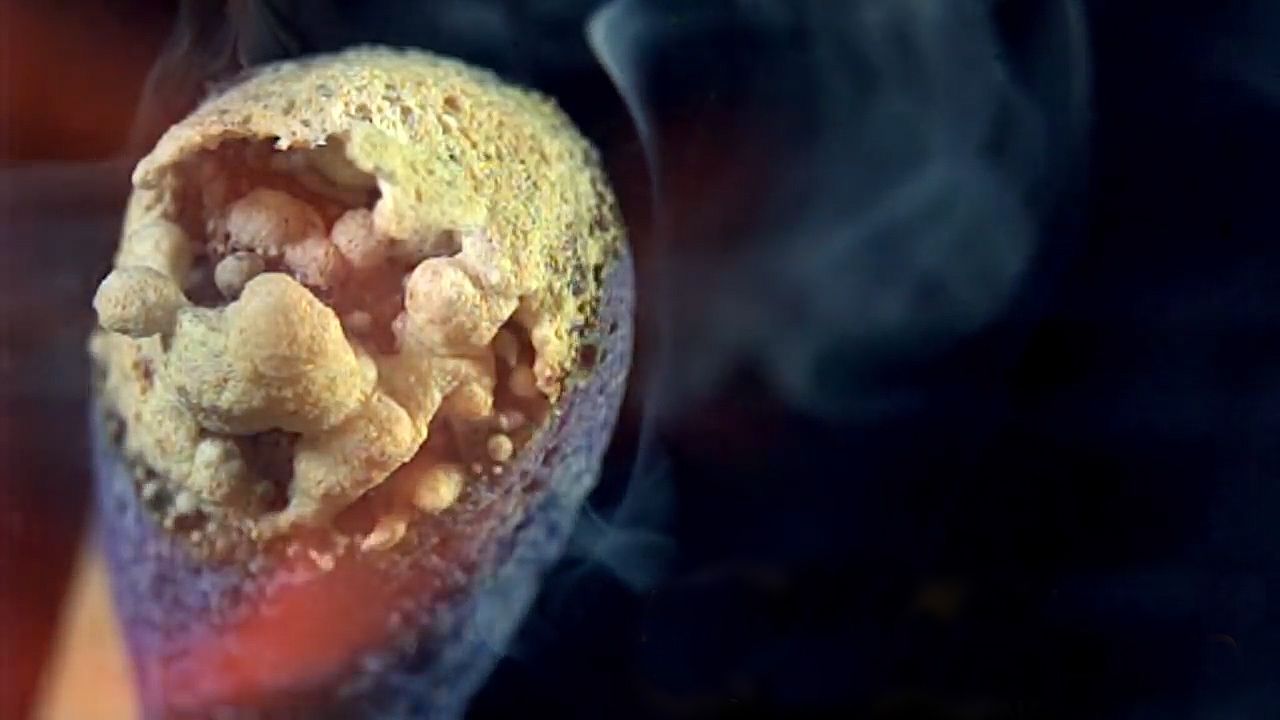
During combustion, oxidation and reduction occur simultaneously as part of a single oxidation-reduction (redox) reaction. This process is fundamentally defined by the transfer of electrons between substances.12
In this chemical exchange:
* Oxidation: The combustible material (such as carbon or hydrogen) loses electrons, thereby increasing its oxidation state.132
* Reduction: The oxidizing agent—typically oxygen—gains the electrons lost by the combustible material, resulting in a decrease in its own oxidation state.132
Because an increase in electron density at one atom must be balanced by a corresponding decrease at another, an oxidation reaction cannot occur without a simultaneous reduction reaction. While combustion is often characterized as the oxidation of a substance, the process is complex; in many flames, specific regions may even facilitate reduction reactions rather than oxidation. Ultimately, the energy released during these rapid electron-transfer events is what generates the heat and light associated with combustion.3124