
Britannica
Sources used in this answer
How do ions and electrons make a flame electrically conductive?
Created from Britannica articles
using AI.
AI can make mistakes, so verify using Britannica articles.
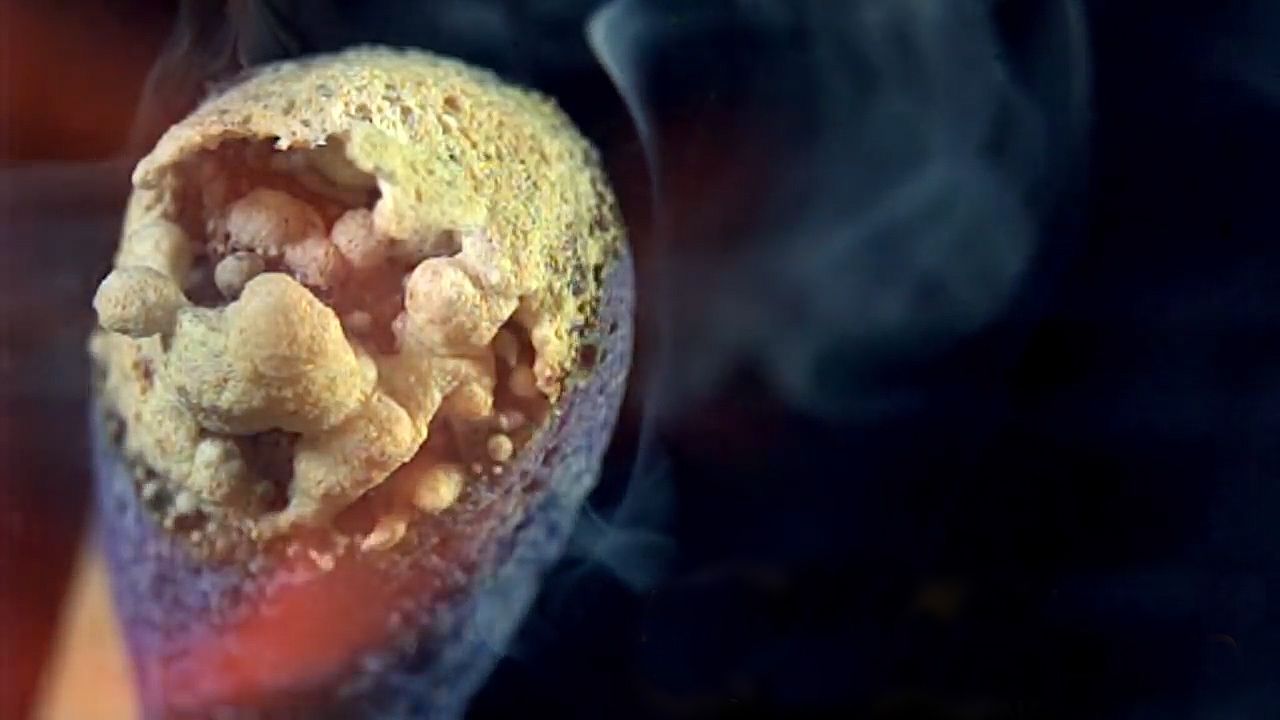
combustion
Learn about the chemistry of lighting a match.
Flames are electrically conductive because they contain electrons as well as positive and negative ions. The presence of these charged particles allows the flame to respond to an electric field, which can cause the flame cone to deviate or create a mechanical effect known as electric wind.1
This ionization occurs through two primary mechanisms:
- Thermal Ionization: This process occurs in very hot flames that contain impurities with low-ionization potentials, such as alkali metals or alkaline-earth metals like sodium and calcium.1
- Chemical Ionization: In the flames of organic species, high concentrations of ions and electrons are produced through chemical processes rather than thermal ones. This is evidenced by the fact that the electrical conductivity in the inner cone of a Bunsen burner flame is significantly higher than that of the outer cone.1