
Britannica
Sources used in this answer
How do evaporation and sublimation make fuels easier to burn?
Created from Britannica articles
using AI.
AI can make mistakes, so verify using Britannica articles.
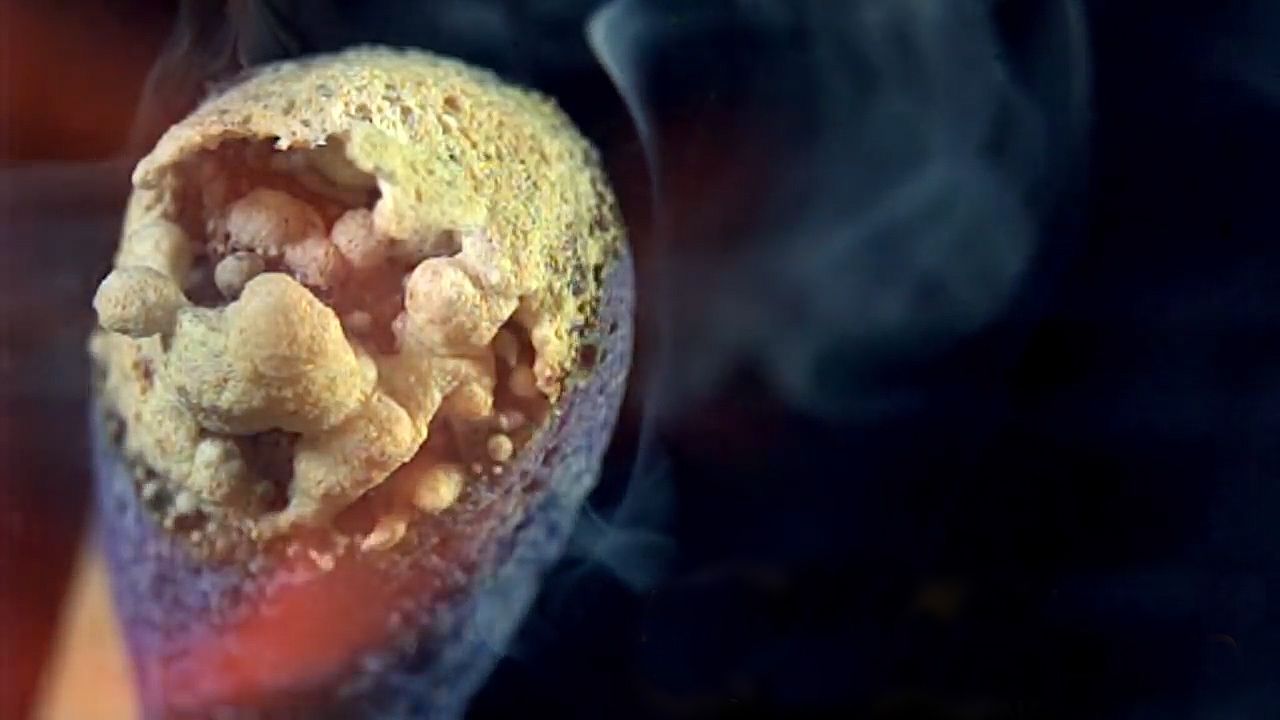
combustion
Learn about the chemistry of lighting a match.
Evaporation and sublimation make fuels easier to burn by transforming condensed matter—liquids and solids—into the gaseous state.1
Because combustion is generally more complex for condensed systems than for gases, these physical processes are essential for facilitating the reaction. By converting fuel into a gas, evaporation and sublimation allow the fuel to mix more effectively with an oxidant, such as oxygen, which is a critical step in sustaining a flame.12
- Evaporation is the process by which a liquid is converted into a gas.1
- Sublimation is the direct conversion of a substance from a solid to a gaseous state without passing through an intermediate liquid phase.13
Together with other methods, such as the mechanical destruction of burning samples, these phase changes ensure that fuel is in a form that can readily participate in the rapid chemical reactions characteristic of combustion.1