
Britannica
Sources used in this answer
How do electric charges produce electric fields?
Created from Britannica articles
using AI.
AI can make mistakes, so verify using Britannica articles.
electromagnetism
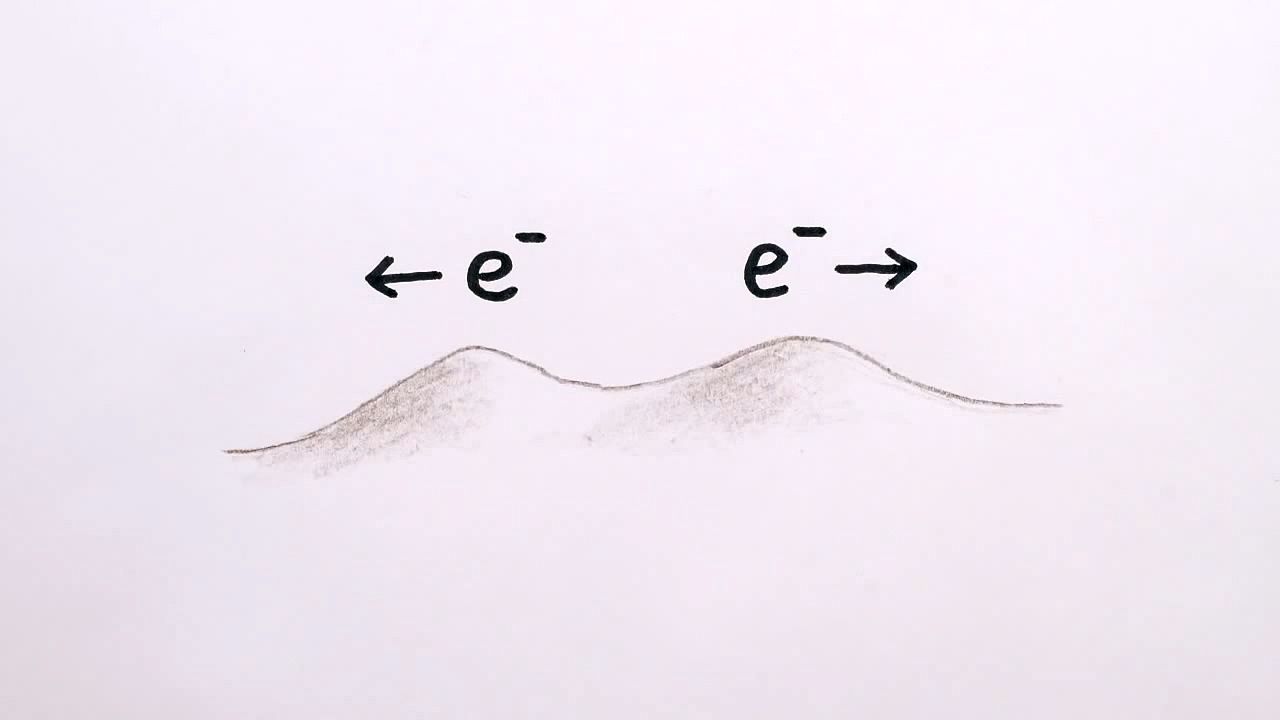
Learn how the presence of electrons between two objects changes the notion of touch.
Electric charges produce an electric field by acting as a source that extends its influence into the surrounding space. Rather than viewing the electric force as a direct interaction between two charges at a distance, physicists consider the source charge to create a field that exerts force on any other charge placed within that region.1
The nature of this field is defined by several key principles:
- Source and Interaction: The strength of the field at any point is defined as the Coulomb force exerted per unit of positive test charge. This field exists independently of whether a test charge is present to measure it.1
- Direction and Distribution: For an isolated positive charge, the field is oriented radially outward. Conversely, fields are depicted as terminating on negative charges. The magnitude of the field is directly proportional to the amount of source charge and inversely proportional to the square of the distance from the center of that charge.12
- Gauss’s Theorem: This principle establishes that the total flux of an electric field through a closed surface is proportional to the total charge contained within that surface, regardless of how the charge is arranged.3