
How do conductors differ from insulators in their ability to move electric charge?
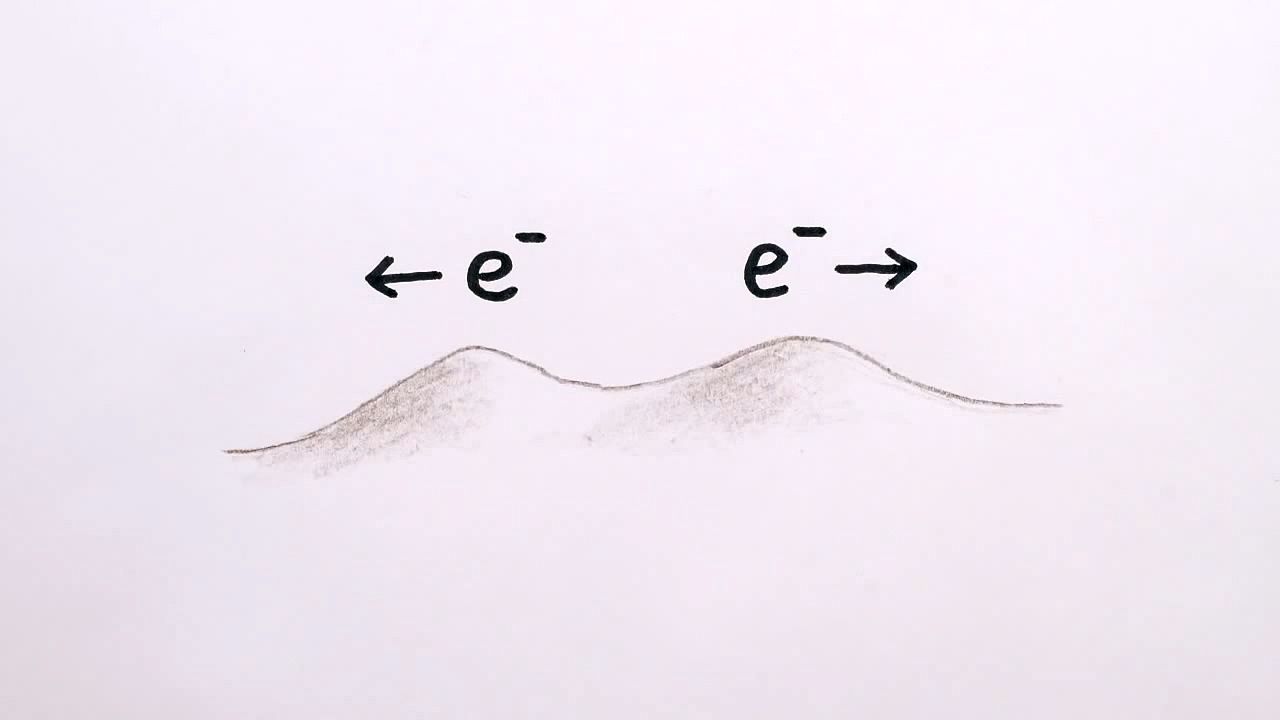
In physics, the primary difference between conductors and insulators lies in the availability and mobility of electrons to carry an electric current.
-
Conductors: In materials such as metals, atoms possess valence electrons that are not tightly bound to their parent atoms. These electrons form a "cloud" or gas and are free to move through the material when an electrical force is applied. According to band theory, metals lack forbidden energy gaps in the range of their outermost electrons, allowing them to conduct electricity readily.123
-
Insulators: In materials like plastics and ceramics, electrons are locked into ionic or covalent bonds and are not free to move. These substances have wide forbidden energy gaps that electrons cannot easily cross, resulting in high resistivity and an inability to support a significant flow of current.134
While conductors facilitate the movement of electrical energy, insulators are essential for confining current to specific paths and protecting circuits.4