
Britannica
Sources used in this answer
How do chromatophores in crustaceans differ from those in vertebrates?
Created from Britannica articles
using AI.
AI can make mistakes, so verify using Britannica articles.
coloration
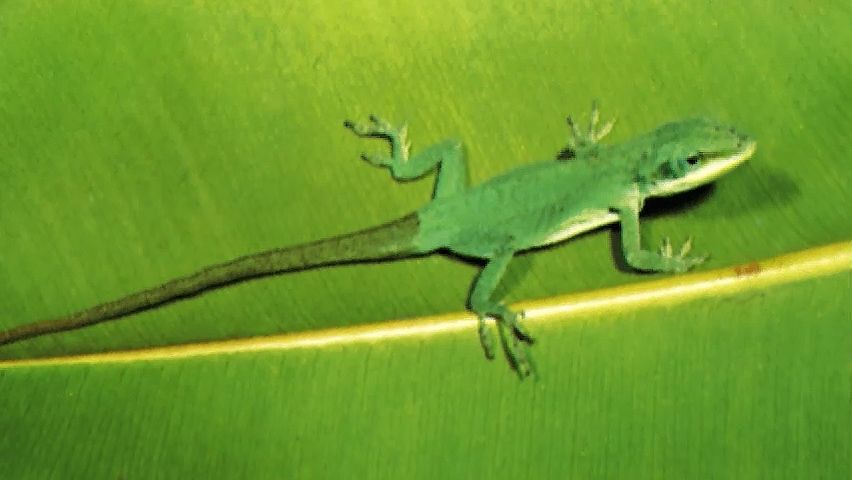
The anole changes color in response to its stress level.
In the context of biological coloration, chromatophores in crustaceans and vertebrates differ primarily in their cellular structure and method of control.1
- Structural Differences: Crustaceans possess chromatophoric syncytia, where pigment movement occurs through the ebb and flow of cytoplasm within fixed tubular spaces that expand or collapse. In contrast, vertebrates utilize cellular chromatophores, where pigment granules move within stable cellular processes that maintain a fixed position.1
- Control Mechanisms: Crustacean chromatophores are regulated by hormones, specifically neurohormones such as the red-pigment-concentrating hormone and light-adapting hormone, which are often found in the eyestalk complex. Vertebrate control is more varied: chromatophores in bony fishes are managed by the autonomic nervous system, those in elasmobranchs (sharks and rays) and lizards are controlled by both hormones and nerves, and those in amphibians are regulated exclusively by hormones.12
These physiological differences allow both groups to adapt to their environments by dispersing or concentrating biochromes to change color or shade.12