
How do chain reactions affect the burning of hydrogen?
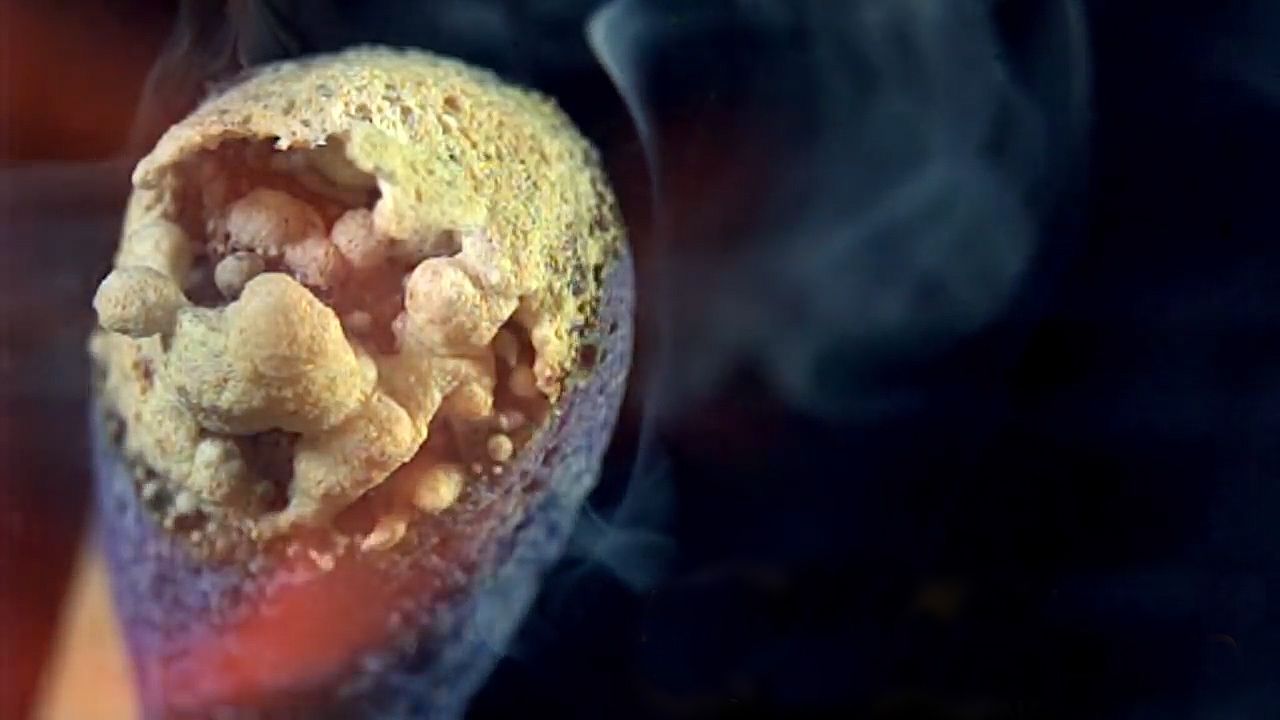
The burning of hydrogen is governed by complex branched-chain reactions, which are essential to understanding its combustion characteristics, including ignition delay, explosion limits, and burning velocity.1
In this process, hydrogen and oxygen molecules interact with hydrogen and oxygen atoms to produce hydroxyl radicals. These radicals then react with hydrogen molecules to form the final product, water. Because these reactions involve the continuous regeneration of reactive intermediates, they are classified as chain reactions.12
The overall mechanism is also influenced by chain-terminating steps, which act to slow or stop the reaction. These include the recombination of atoms and molecular fragments, as well as the adsorption of active particles onto solid surfaces. By empirically determining the rate constants for these branching and terminating processes, scientists can quantitatively describe the behavior of hydrogen combustion.1