
How do carnivores and herbivores differ in their responses to sweet and bitter tastes?
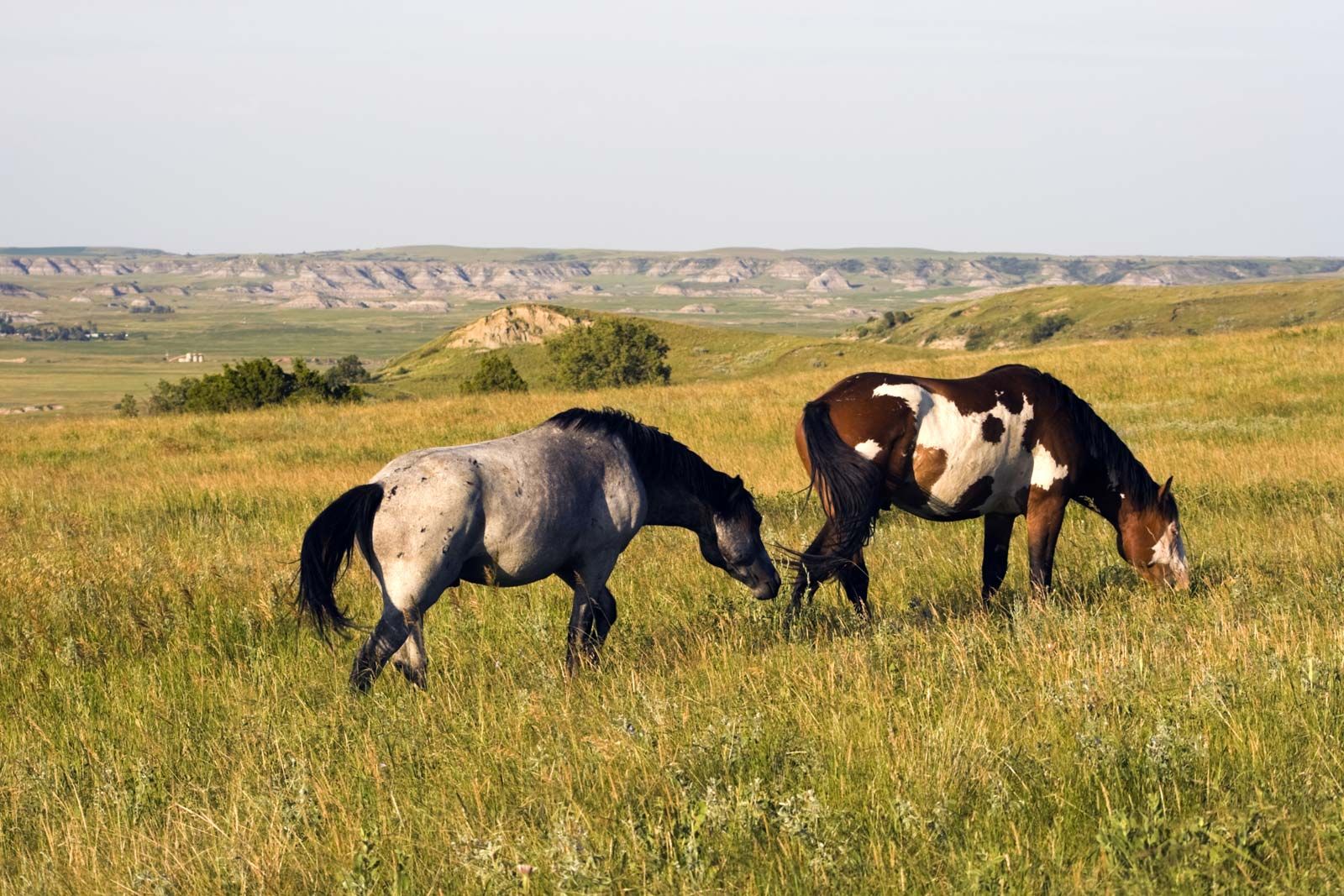
In the context of feeding behaviour, carnivores and herbivores exhibit distinct sensory responses to sweet and bitter tastes, largely shaped by their respective evolutionary diets and nutritional requirements.12
Sweet Taste
A preference for foods containing sugars is common among herbivores and omnivores, as carbohydrates serve as a primary energy source. Conversely, this preference is uncommon in carnivores. For example, the domestic cat, a strict carnivore, possesses very few taste receptors that respond to sweet stimuli.123
Bitter Taste
The ability to detect bitter substances is generally more highly developed in herbivores than in carnivores. This sensitivity serves as a critical defense mechanism, allowing herbivores to identify and avoid potentially poisonous plants that produce toxic secondary metabolites, such as alkaloids, phenols, and terpenoids. While carnivores also possess the ability to taste bitterness, their primary feeding drive is stimulated by flavors associated with animal protein, specifically certain amino acids.21