
How do burn centers treat fluid loss during the first day after a severe burn?
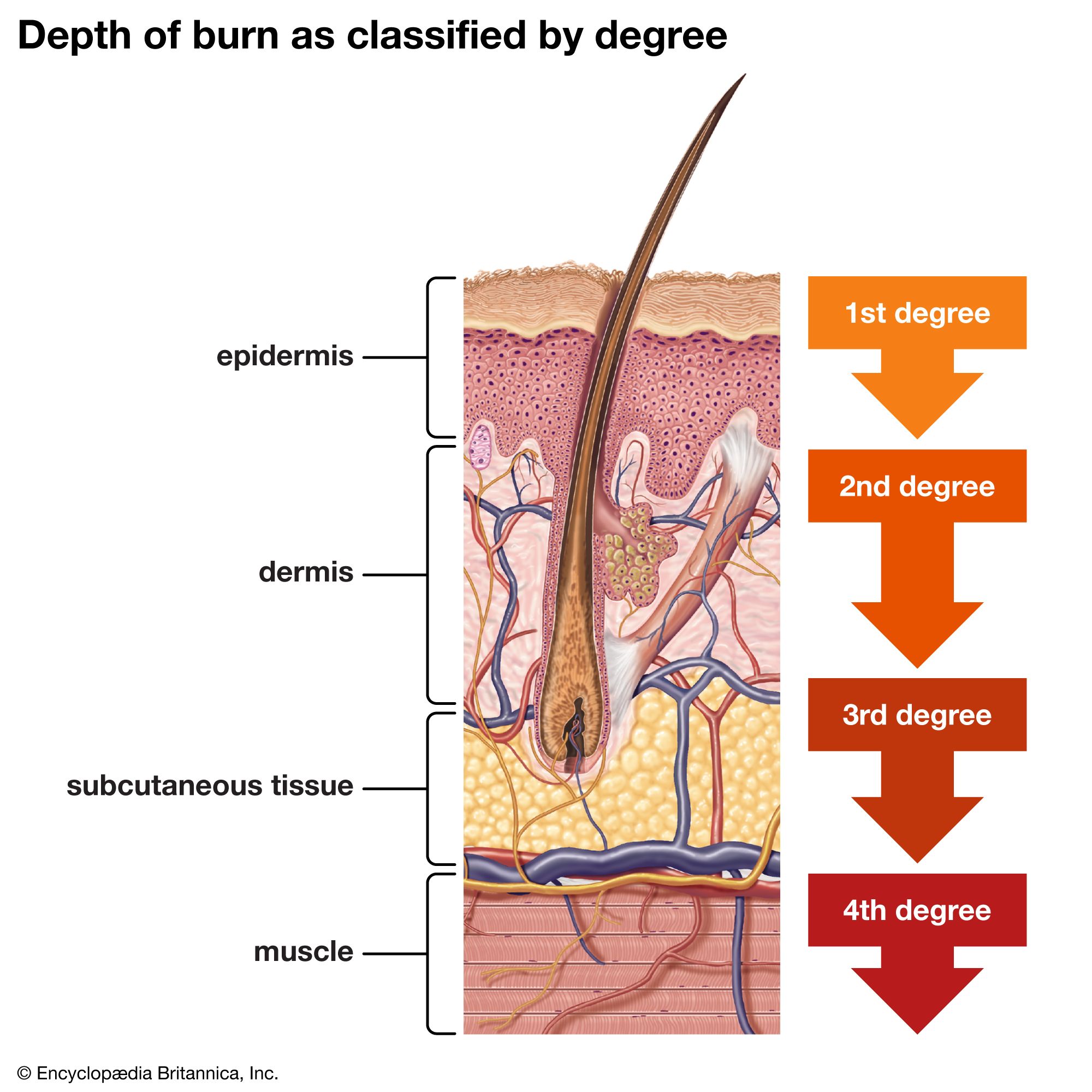
To treat fluid loss during the first 24 hours following a severe burn, burn centers prioritize the management of burn shock through aggressive fluid resuscitation.1
The primary method involves the intravenous administration of a balanced salt solution, such as Ringer’s lactate. This solution is essential to replace the fluids lost directly into the burn wound and those lost from the wound into the surrounding environment. Because the primary loss from burns consists of plasma and electrolytes, these components must be replaced in proportion to the patient's size and the extent of the burn area.12
To ensure this resuscitation is effective, medical teams implement several monitoring procedures:
* Intravenous lines: These are placed to administer the necessary fluids and to monitor the resuscitation process.1
* Bladder catheterization: A catheter is inserted into the bladder to track urine output, which serves as a key indicator of successful fluid resuscitation.1
* Diuretics: If necessary, diuretics such as mannitol may be used to stimulate urine output and protect the kidneys from potential damage caused by hemolysis.1